
Rocks and walls of southern Europe
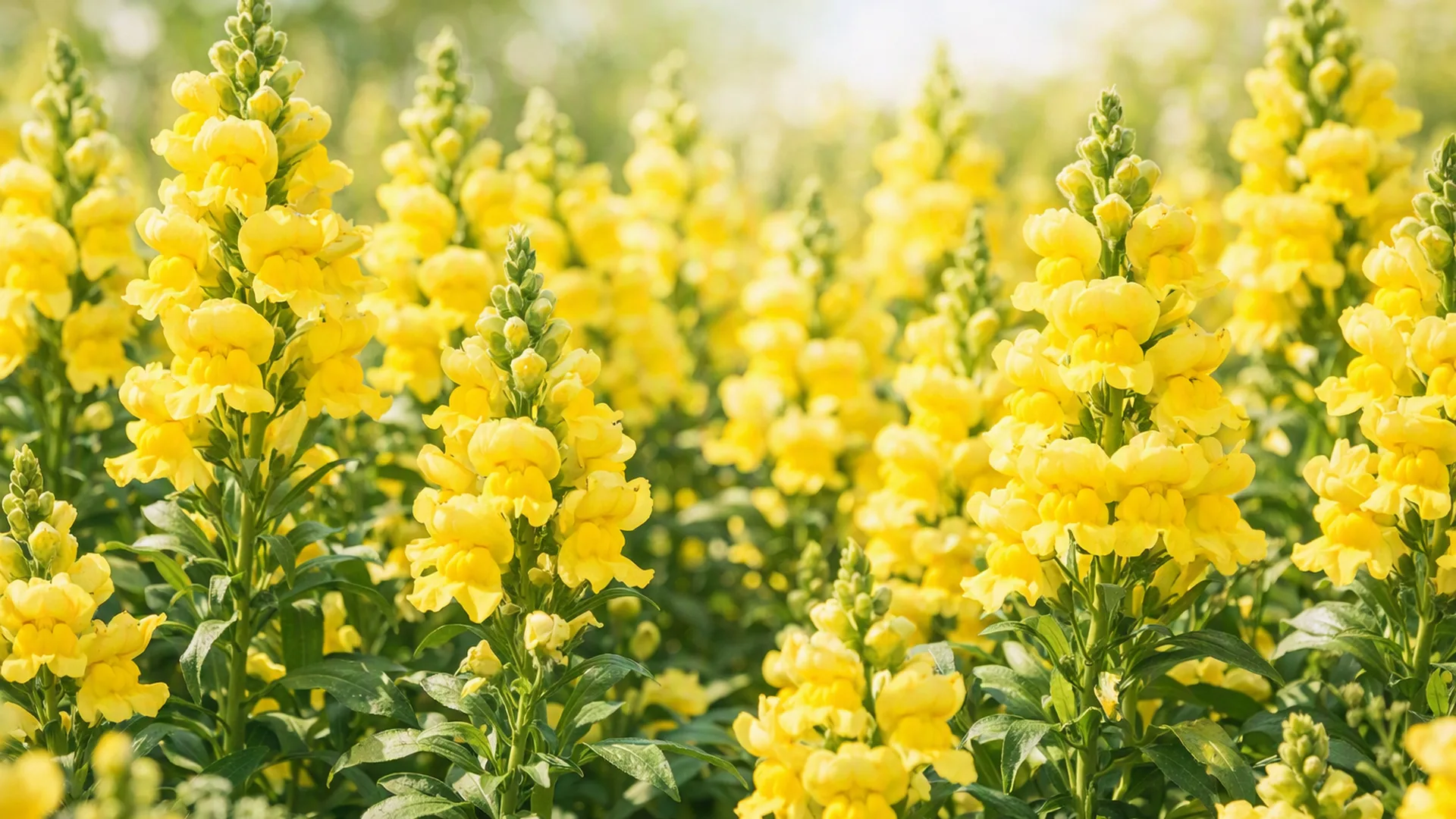
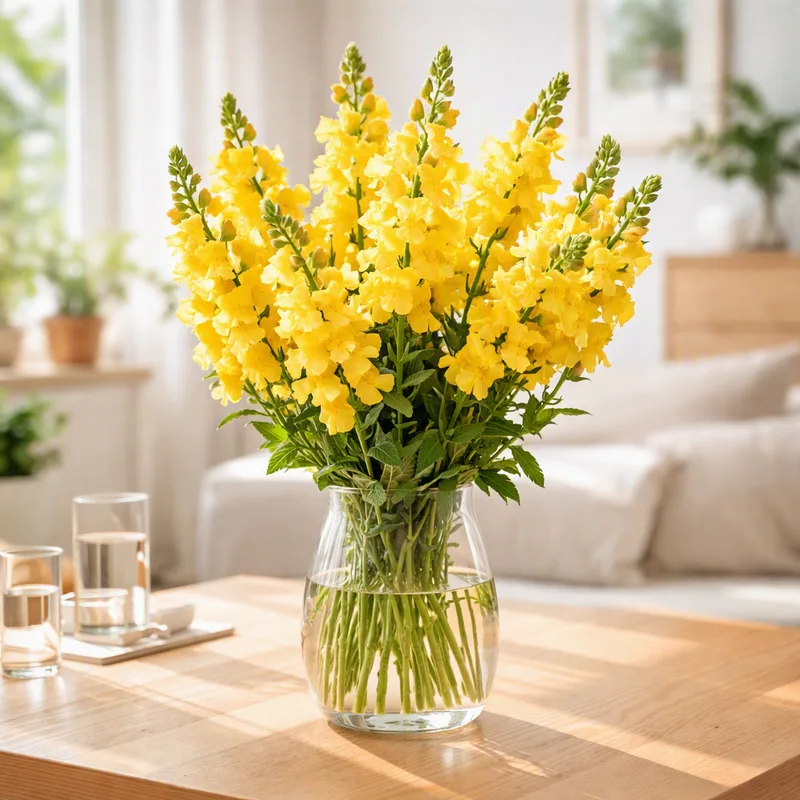
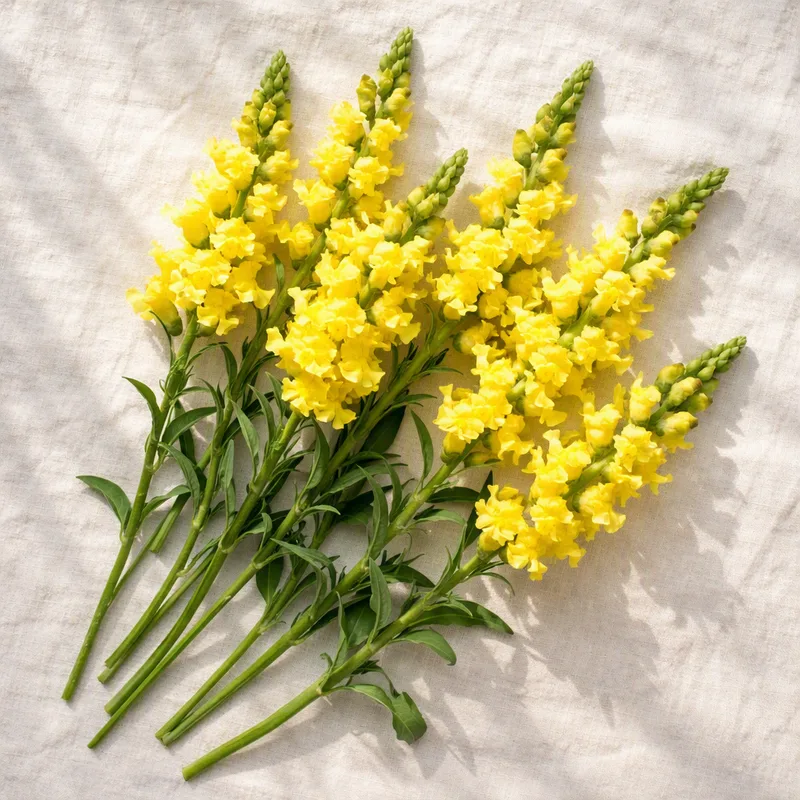
The wild snapdragon, Antirrhinum majus, comes from south-central France, the eastern Pyrenees, north-east Spain and the Balearic Islands, where it grows in cracks and on old walls. Wild plants have pink to purple flowers, often with a yellow patch on the lip, and the species has been cultivated since the 15th century. Classic garden forms add yellow, orange, red, white and pink.
A flower with a lock
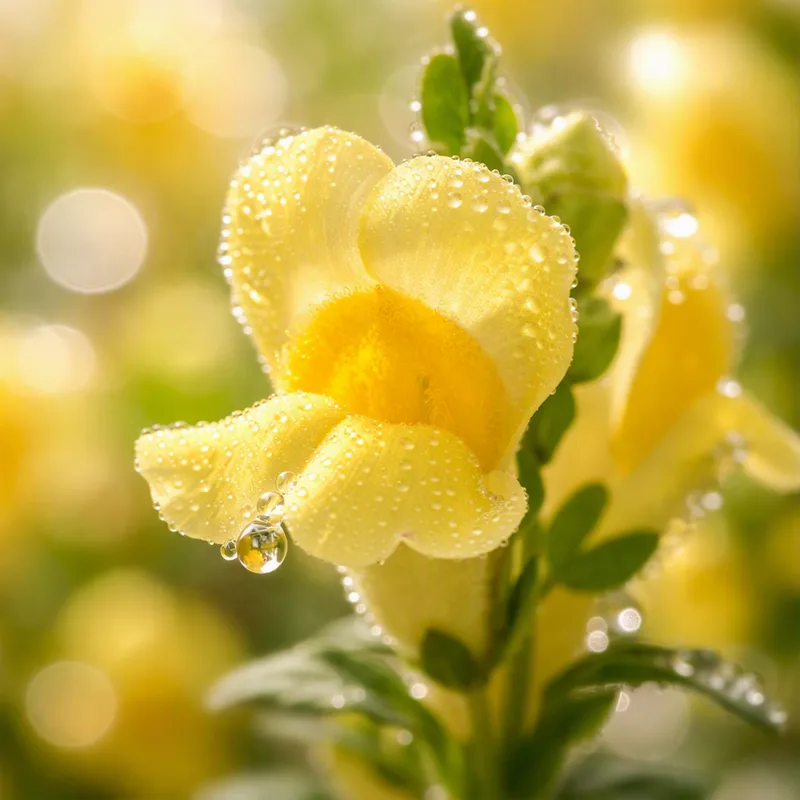
Squeeze the sides of the flower gently and the mouth opens, which is where the names snapdragon and lion's mouth come from. In nature the closed lower lip works like a latch that only a bumblebee is strong enough to push open. The seed capsule that follows is often compared to a tiny skull. The plant is also a long-standing laboratory favourite, and genetic work on it helped identify genes controlling flower structure.
Growing in Ireland
Botanically a short-lived perennial, snapdragon is almost always grown as an annual. Plants reach 30 to 90 cm depending on the type, and flower between June and September.
- Sow indoors in early spring or buy plug plants for planting out after frost.
- Choose a sunny spot with soil that drains freely.
- Pinch the tips of young plants to encourage branching.
- Cut spent spikes to prompt more flowers.
Mild, damp winters occasionally let plants come through, particularly beside a sunny wall, but do not rely on it. Damp air also encourages rust on the leaves, so give plants room and good airflow.
Cats and dogs
Snapdragon is classed as non-toxic for dogs, cats and horses, which suits a cat-friendly border.