
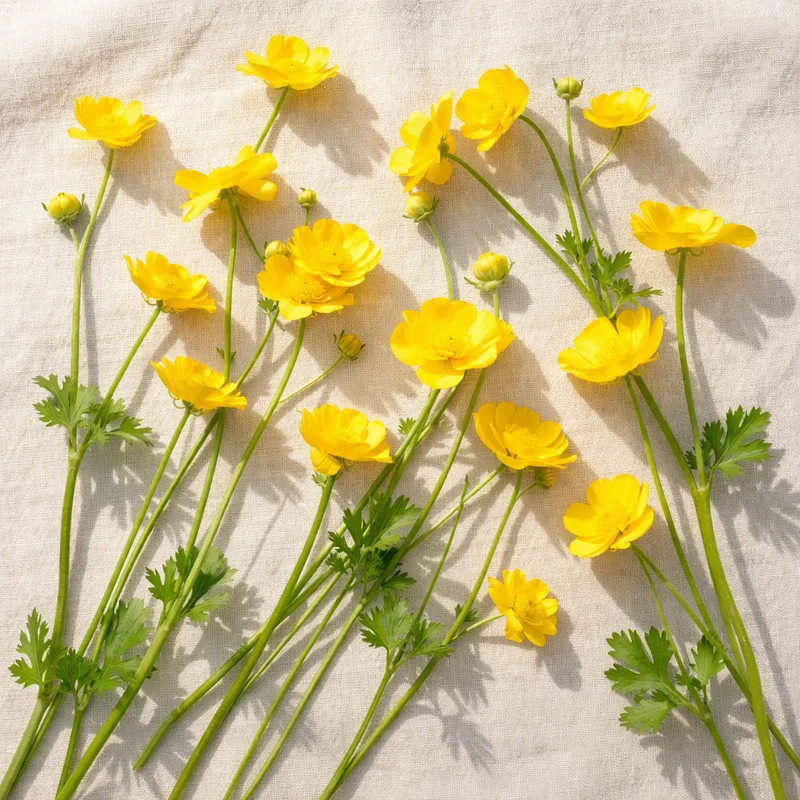
The yellow of the meadow
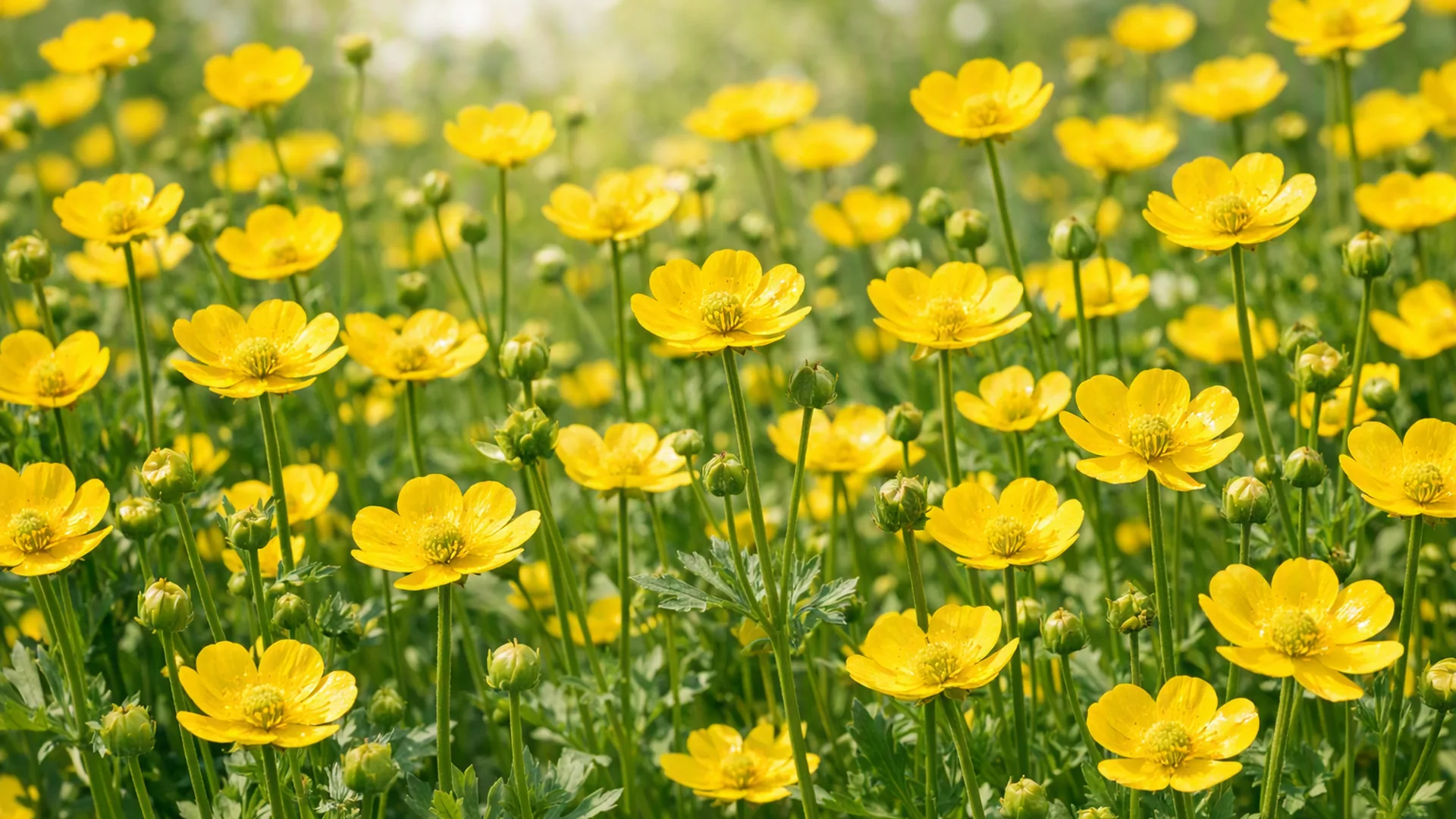
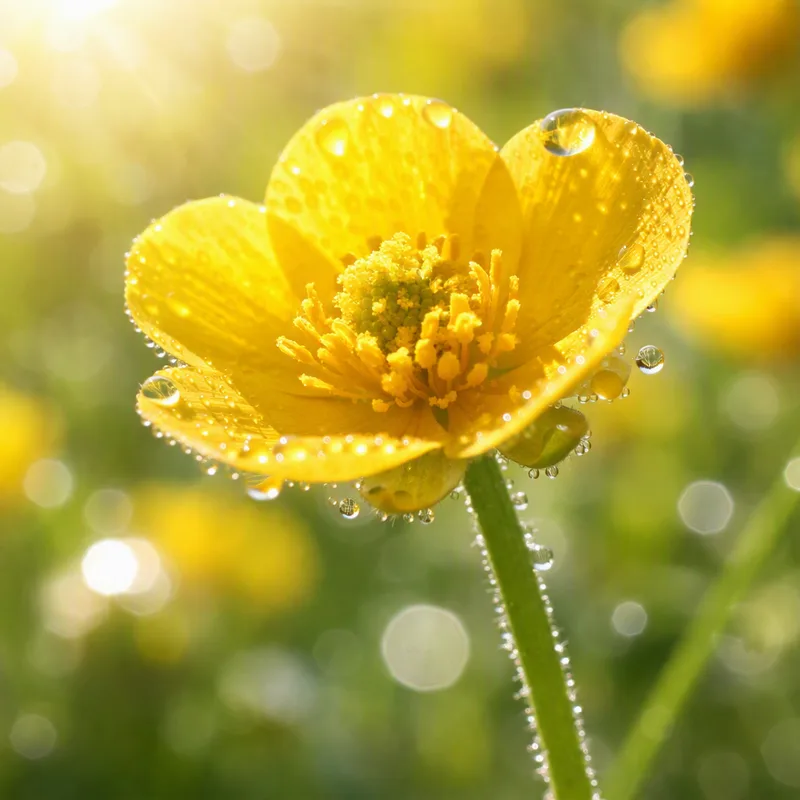
Meadow buttercup, Ranunculus acris, is among the commonest buttercups across Europe and temperate Eurasia. It grows from about 30 cm up to a metre tall, with shiny yellow flowers, each about 25 mm wide, made of five overlapping petals. In Irish fields and verges it makes bright yellow patches from late spring into summer.
Generations of children have held a flower beneath a friend's chin to see if a yellow glow shows on the skin. It is folklore rather than science, and it says a lot about how fondly the flower is remembered.
Wildflower or weed?
In a garden lawn or path, buttercup can be a stubborn weed; it spreads by thick rhizomes that can split to form new plants. In a wildflower meadow, though, it is a welcome feature, and a double-flowered form called 'Flore Pleno' has won the Royal Horticultural Society's Award of Garden Merit.
- Cut a meadow after the seed has ripened if you want it to return.
- Lawn buttercup is easier to control by improving drainage and avoiding compaction.
Why livestock leave it alone
Its juice is semi-poisonous to cattle and horses and can blister the mouth, so grazing animals usually walk round it, and many farmers count it a pasture weed.
Not a plant to chew
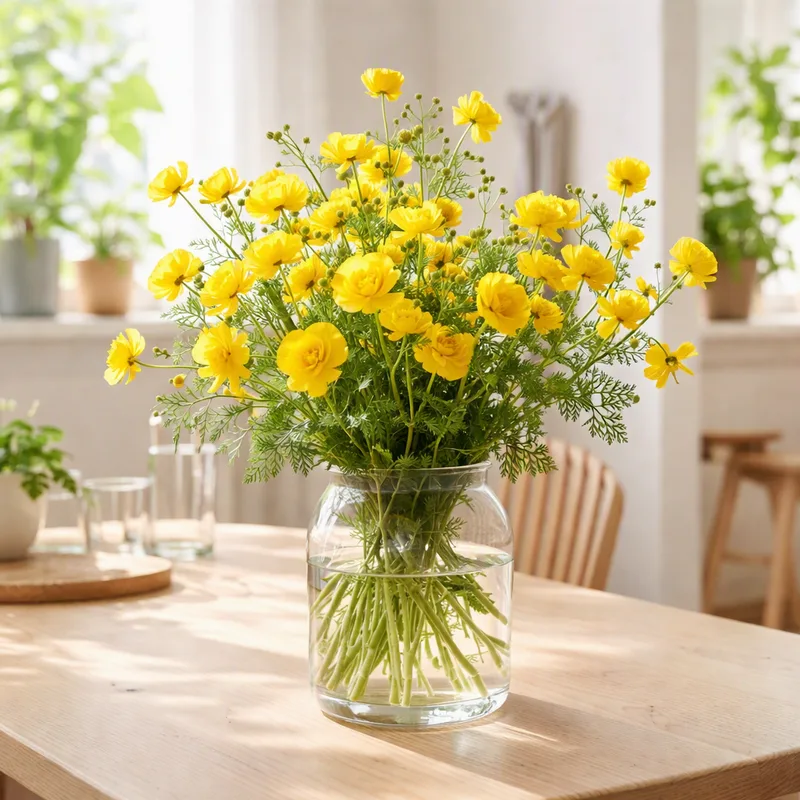
Protoanemonin is an irritant, and the ASPCA lists buttercup as harmful to dogs, cats and horses, with vomiting, drooling, mouth ulcers and a wobbly gait. Do not let pets chew stems, and keep cut flowers on a shelf.