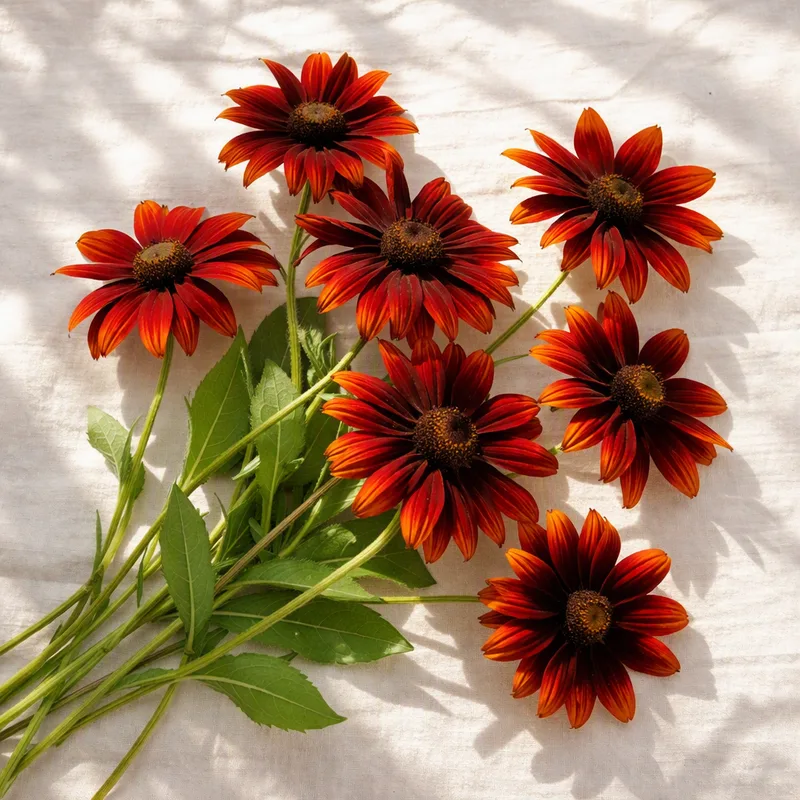
Red, or closer to mahogany
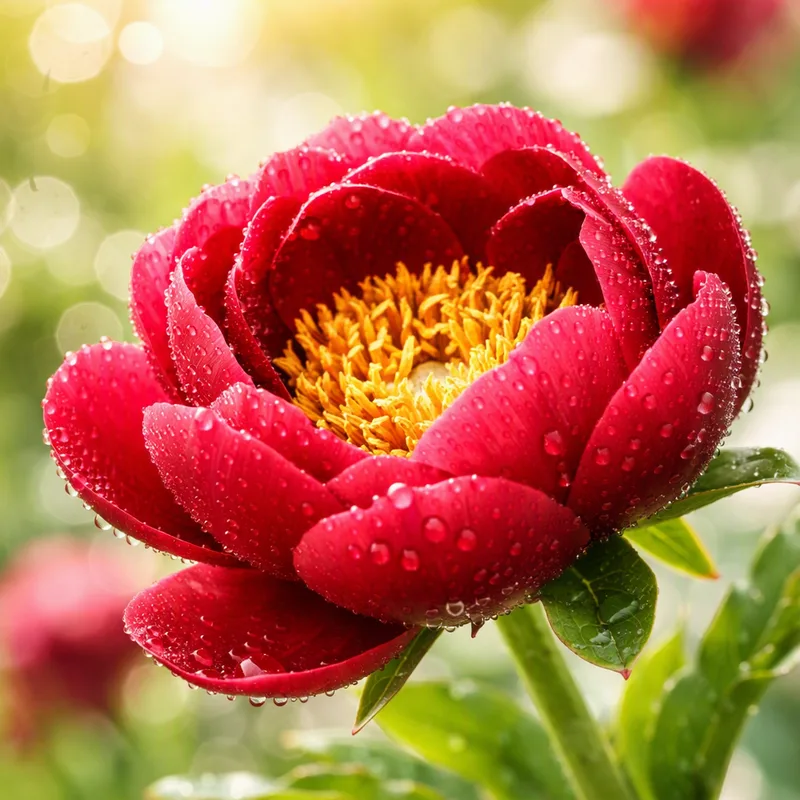
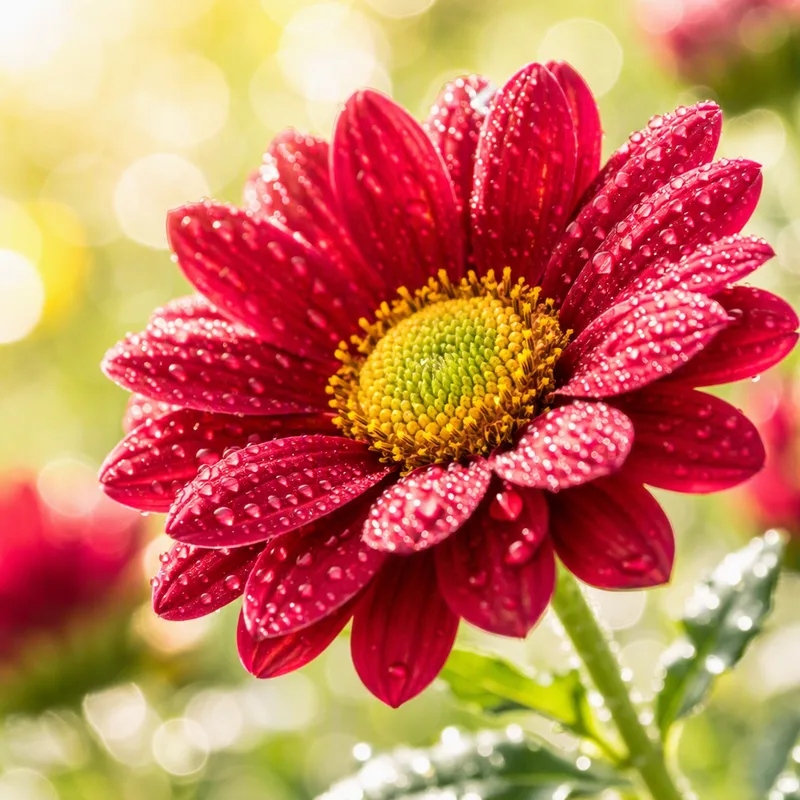
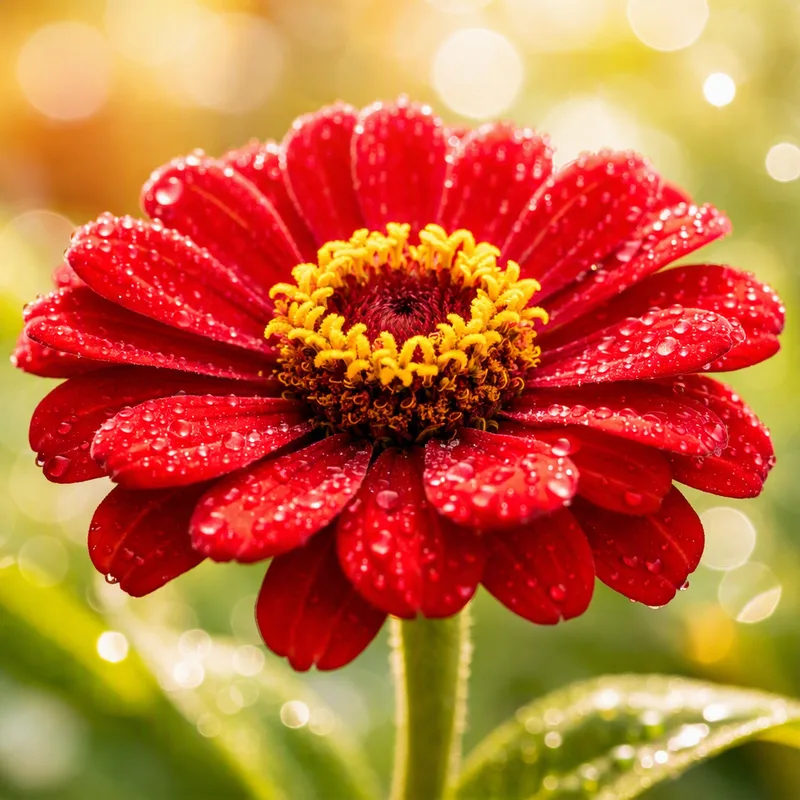
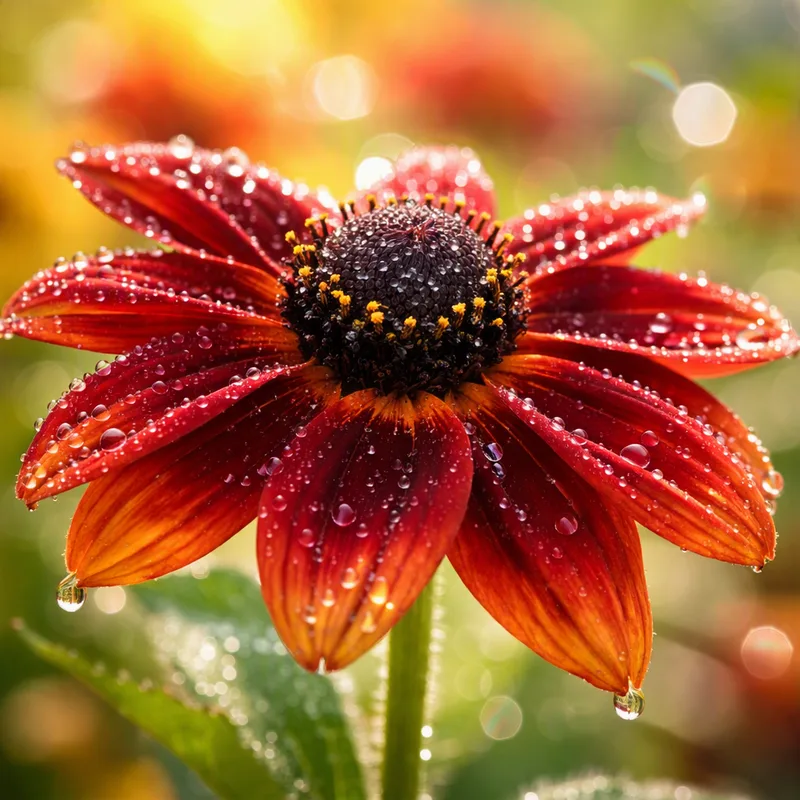
Wild rudbeckias are yellow or orange. Red tones come from breeding Rudbeckia hirta, the black-eyed Susan, a species with numerous cultivars. 'Cherry Brandy' is a well-known red form. Seed packets often show a rich red, but plants frequently end up between brick and mahogany, sometimes with golden tips. Light and age change the shade.
Where to use it
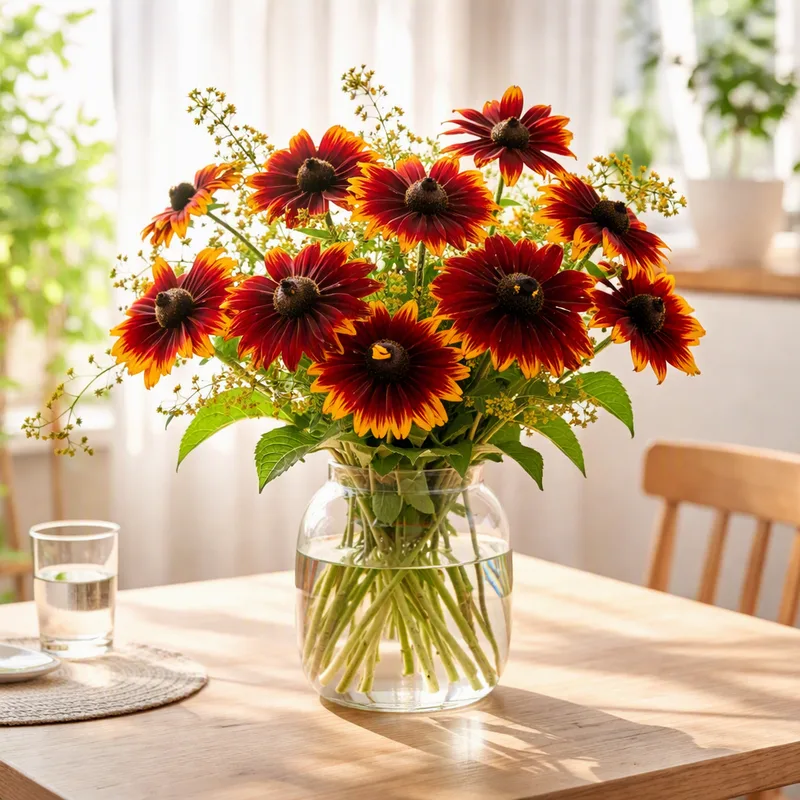
Red rudbeckia goes with orange dahlias, bronze foliage and tall ornamental grasses in a late summer border. A large pot works as well. The cone in the middle is dark, which anchors the colour. Plants grow 30 to 100 cm tall.
Sowing and care
- Sow indoors in early spring, then plant out when risk of frost has passed.
- Select a sunny spot; the plant tolerates some part shade.
- Space plants well so rain-wet foliage dries quickly.
- Deadhead for a longer display, but leave a few seed heads in autumn.
Red forms may not survive a wet winter, so treat them as annuals and sow again each year. Irish gardens near the coast may get some to return.
Colour contrasts
Pink-purple Echinacea is a different coneflower genus, and it flowers at the same time, giving a bold mix. Rudbeckia lasts from July to October.
Pets
Rudbeckia is not known as a hazardous plant, but it is not meant for eating. Check with a vet if an animal has chewed the plant.