A native plant
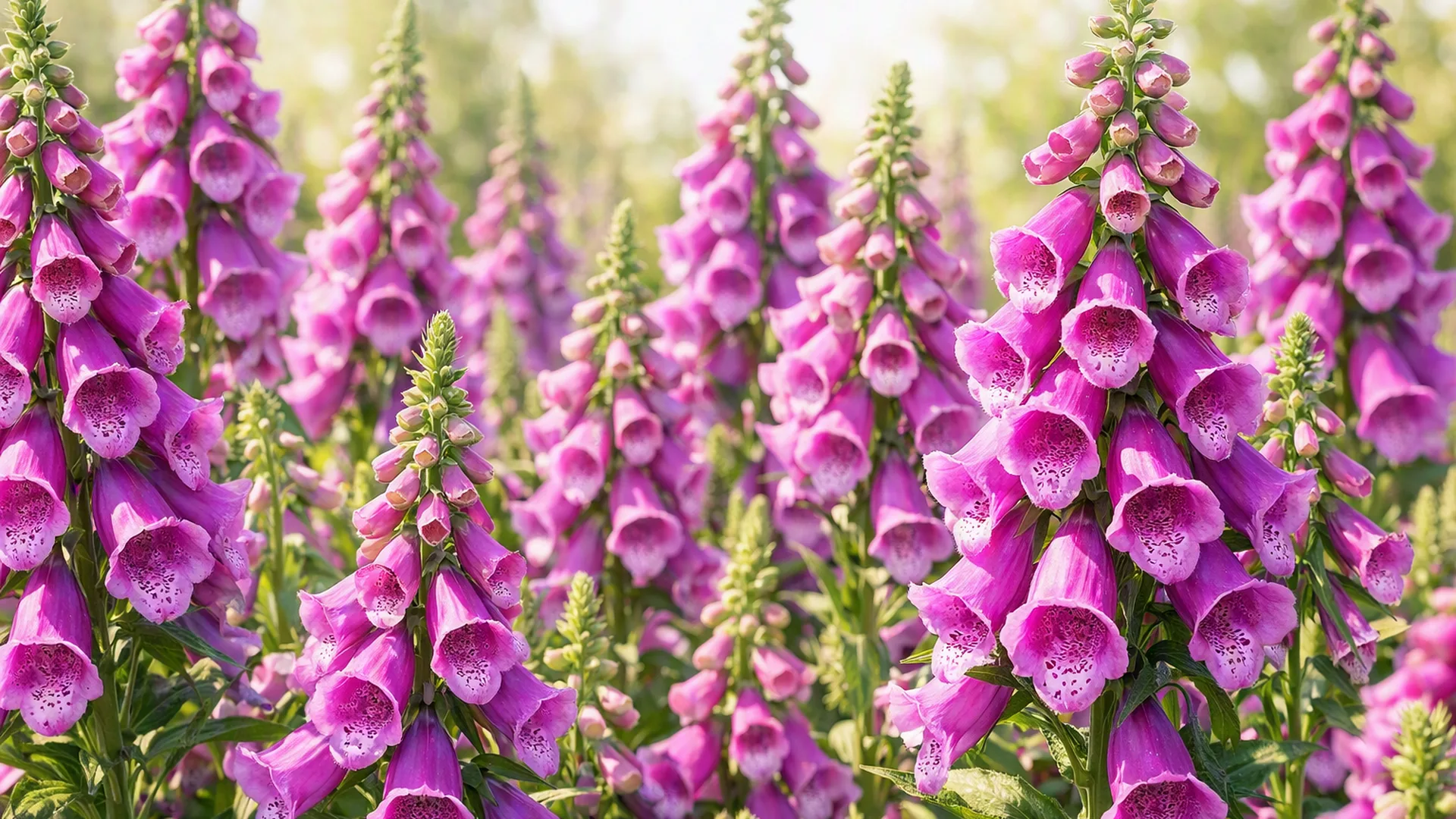
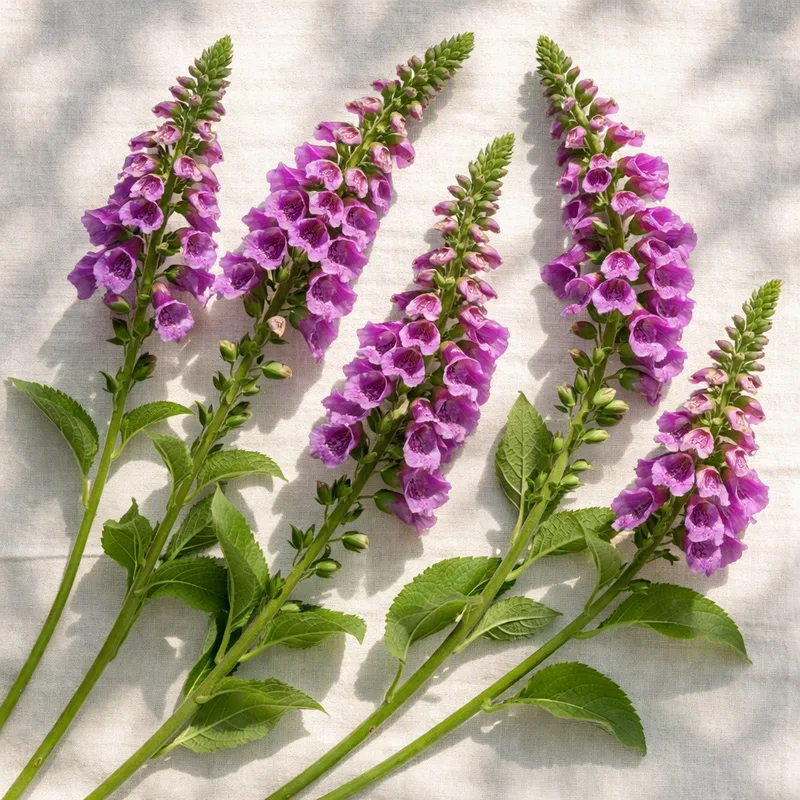
Common foxglove grows wild across western Europe, including Ireland, in woodland clearings, hedge banks and on rocky ground. It is a biennial: a rosette of woolly leaves in the first year, then a flowering spike in the second, up to one or two metres tall. Plants are shortlived but set plenty of seed, so a colony tends to renew itself.
Why bees love it
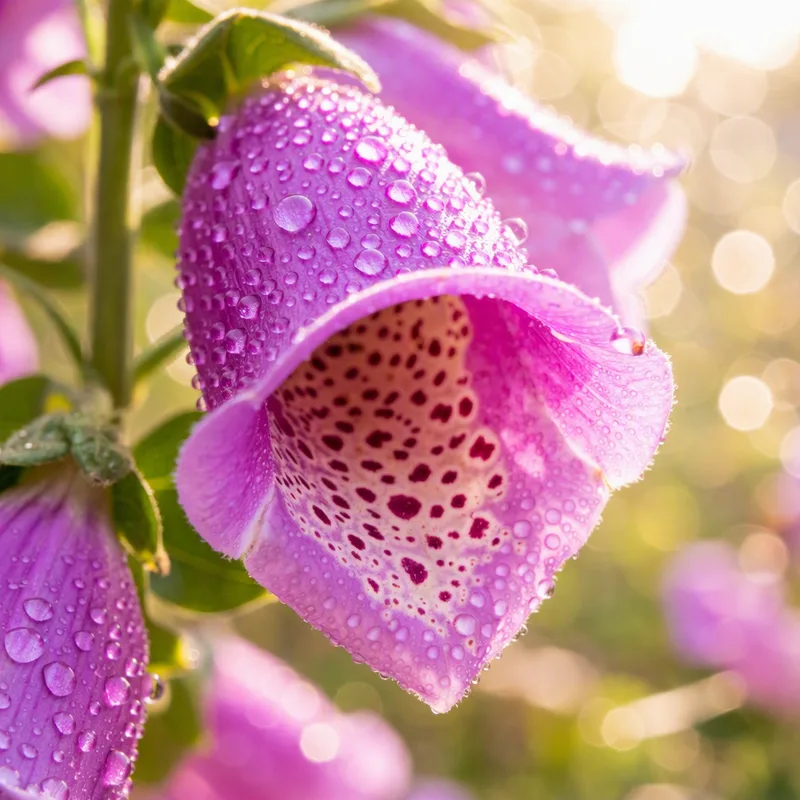
The tubular, spotted flowers open from the bottom up. Bumblebees crawl in to reach the nectar, and the spots act as a guide. The RHS notes that foxgloves are rich in nectar and a good bee plant, and they bloom for several months from late spring or early summer.
Growing it
Foxgloves are woodland plants and prefer dappled shade and soil rich in organic matter. Moist Irish soil suits them well. Sow in early summer for flowers the next year, or buy young plants in autumn.
- Stake plants in windy gardens.
- Cut spikes after flowering, but leave a few to ripen seed.
- Wear gloves when clearing old plants.
A medicine and a poison
Foxglove is the original source of digoxin, a heart medicine, and was introduced into medicine by William Withering. Every part of the plant is poisonous; the ASPCA lists it as toxic to dogs, cats and horses because of cardiac glycosides, with arrhythmias, vomiting and heart failure among the signs. If a person has eaten any, call the National Poisons Information Centre or emergency services.