

What the plant is
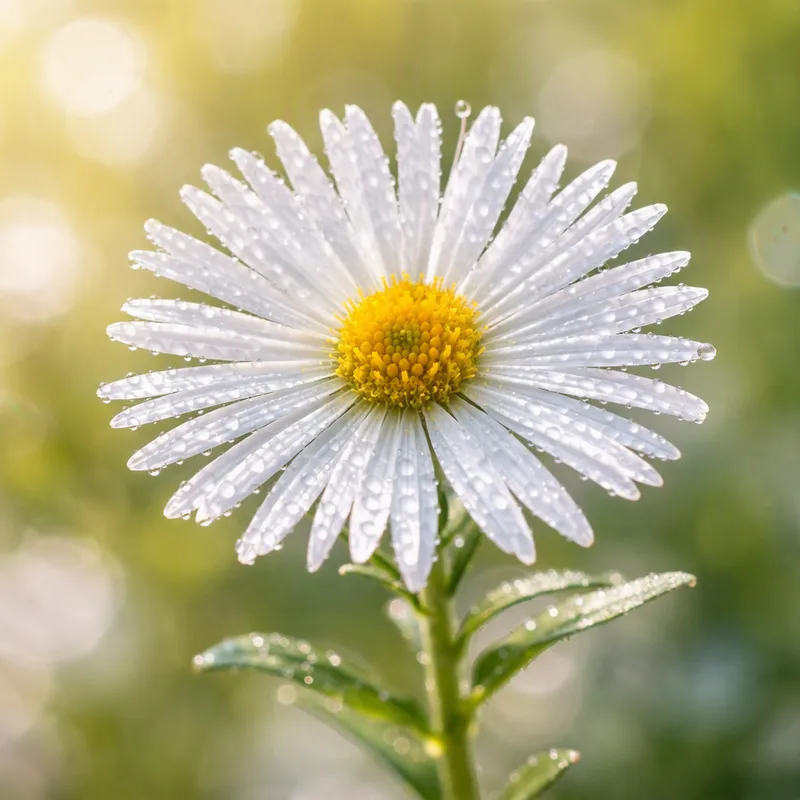
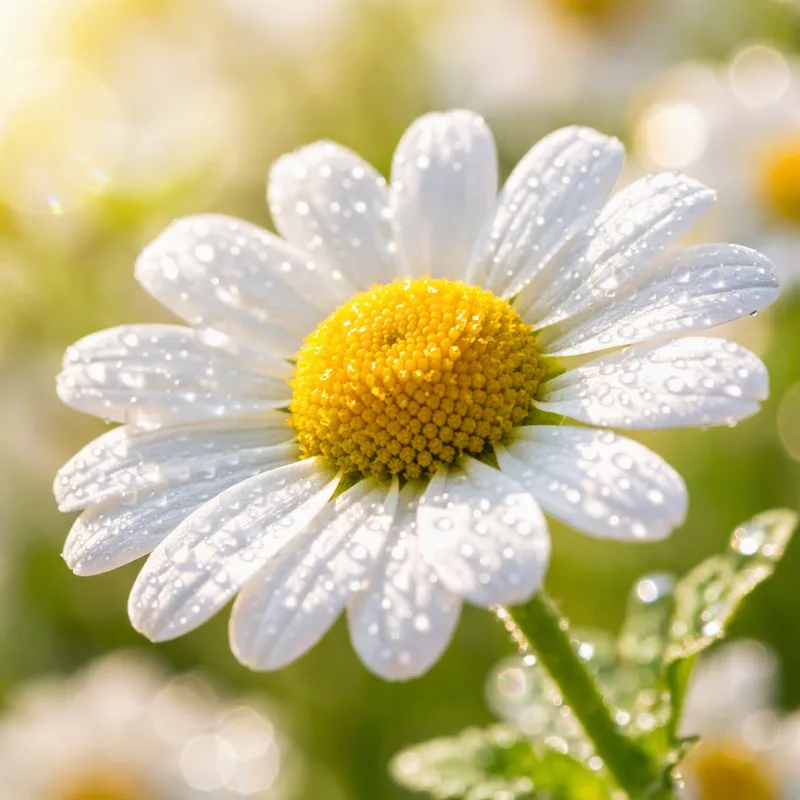
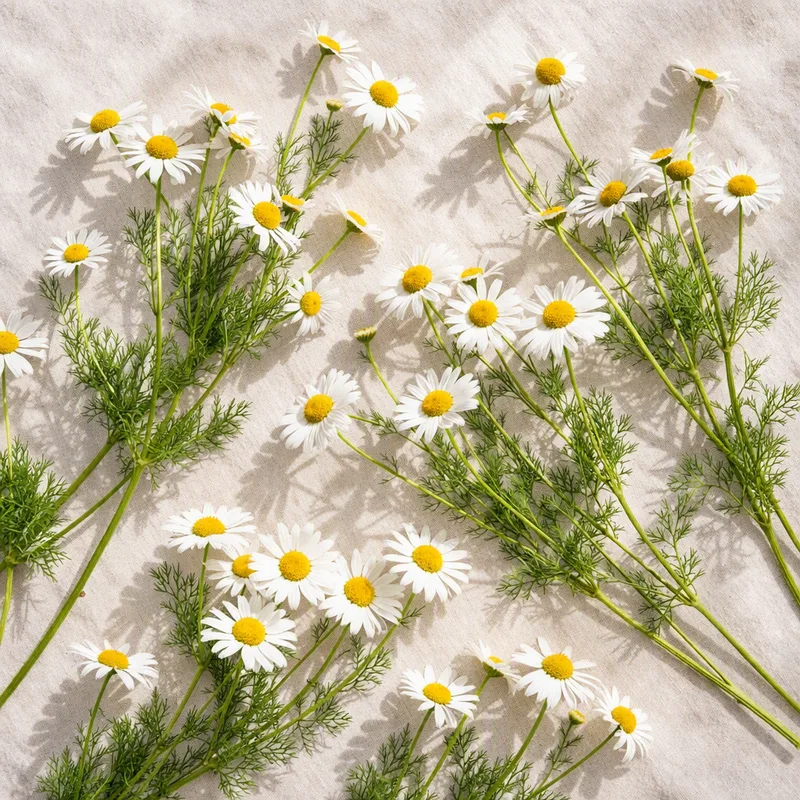
Matricaria chamomilla, also called German chamomile, is an annual that reaches roughly 15 to 50cm. Its finely divided leaves carry flower heads with white ray florets and a yellow disc, and it flowers in early to midsummer. It can be planted in autumn or spring, and since it self-seeds, it often behaves like a perennial.
Telling chamomiles apart
Several daisy-like plants get confused.
- German chamomile: slice a flower head lengthways and the receptacle is hollow, and it smells of chamomile.
- Scentless mayweed (Tripleurospermum inodorum) looks similar but has a solid centre and hardly any scent.
- Pineapple weed (Matricaria discoidea) has no white petals at all.
- Roman chamomile (Chamaemelum nobile) is a low perennial from another genus.
Tea and cautions
Dried flowers are used for tea, traditionally for the stomach. Chamomile can cause allergic reactions, particularly in people allergic to ragweed and its relatives, and contact with the plant can cause dermatitis. Tea may also interact with anticoagulant medicines, so ask a pharmacist if you take them.
Flower language
Chamomile is traditionally associated with patience in flower-meaning lists, though sources differ.
For pets
The ASPCA lists 'chamomile' as toxic to dogs, cats and horses, but its entry is for Anthemis nobilis, which is Roman chamomile. Signs include dermatitis, vomiting, diarrhoea and anorexia. Do not give tea to animals, and ring a vet if one has eaten the plant.