

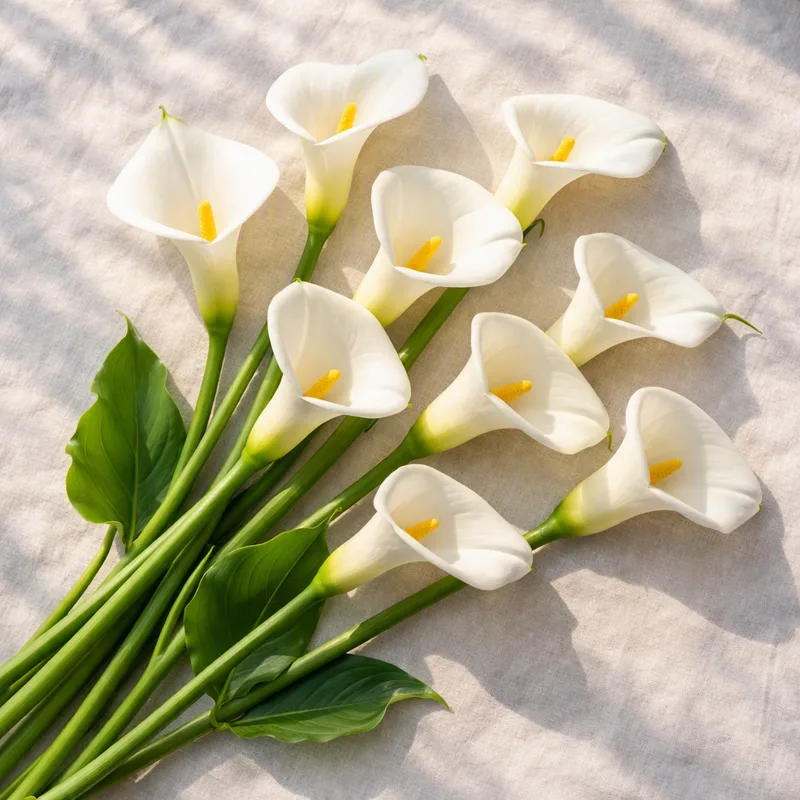
A stream-side plant from southern Africa
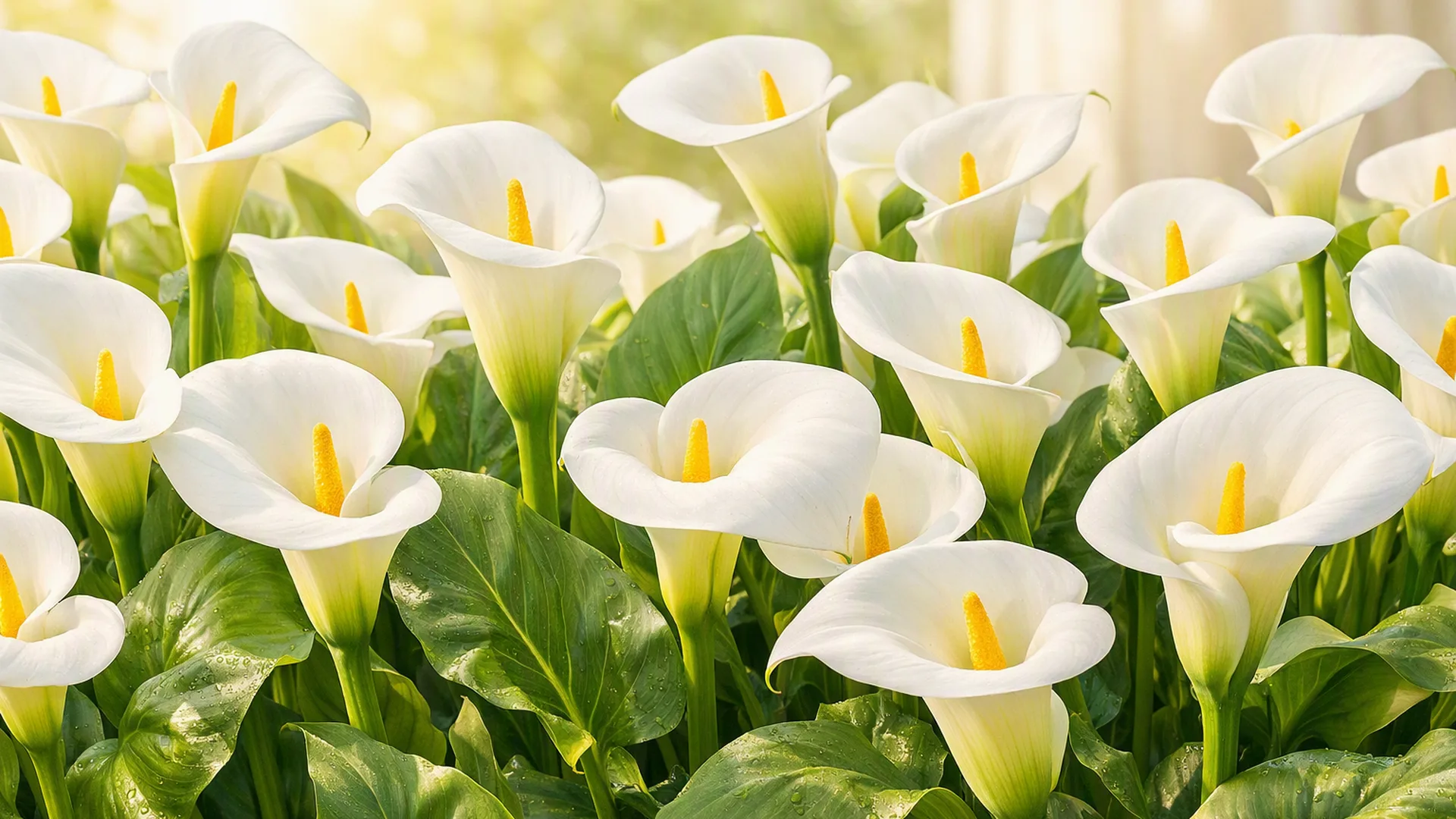
Zantedeschia aethiopica grows wild in South Africa, Lesotho and Eswatini, usually in or beside streams and ponds. The species name is misleading, since the plant does not come from Ethiopia. Many people call it calla lily or arum lily, yet it is not a lily at all but a member of the arum family, Araceae. It is a rhizomatous perennial that grows 60 to 100 cm tall, with clumps of arrow-shaped leaves up to 45 cm long.
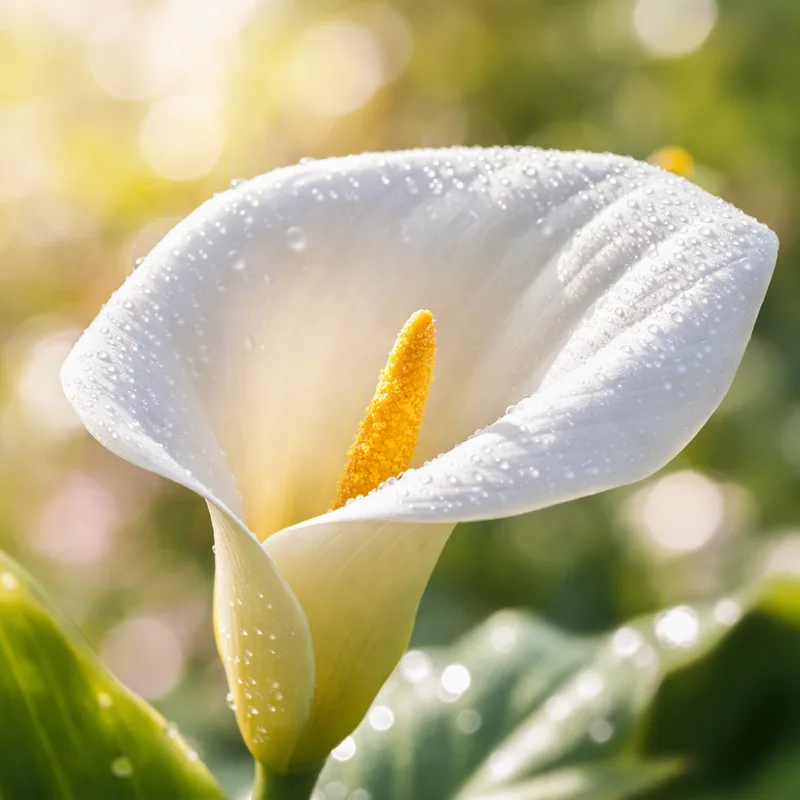
What looks like a single white petal is a spathe, a bract that can reach 25 cm, wrapped around a yellow spadix carrying the true flowers. The spadix gives off a faint, sweet scent.
The Easter lily
In Ireland, the white calla has a symbolic role beyond the garden. It is known as the Easter lily and, since 1926, has been worn to commemorate those who died in the Easter Rising of 1916 and afterwards. Each spring, the emblem appears on lapels around Easter.
Growing it here
The plant has even naturalised in western Europe, as far north as Ireland, and the cultivar 'Crowborough' is described as better suited to cool climates such as Ireland and Britain. Both 'Crowborough' and 'Green Goddess' have won the RHS Award of Garden Merit.
- Keep the soil damp through the growing season; this plant tolerates shallow water at a pond edge.
- Choose a bright place, with some shade in the hottest weather.
- Reduce watering after flowering to let the plant rest.
- In frost-prone inland gardens, grow it in a large pot that can be moved under cover.
Toxic if chewed
Calla contains calcium oxalate. The ASPCA lists it as toxic to dogs and cats, causing intense burning of the mouth, drooling, vomiting and difficulty swallowing. In people, raw plant material can cause burning and swelling of the lips, tongue and throat.