
White is the exception
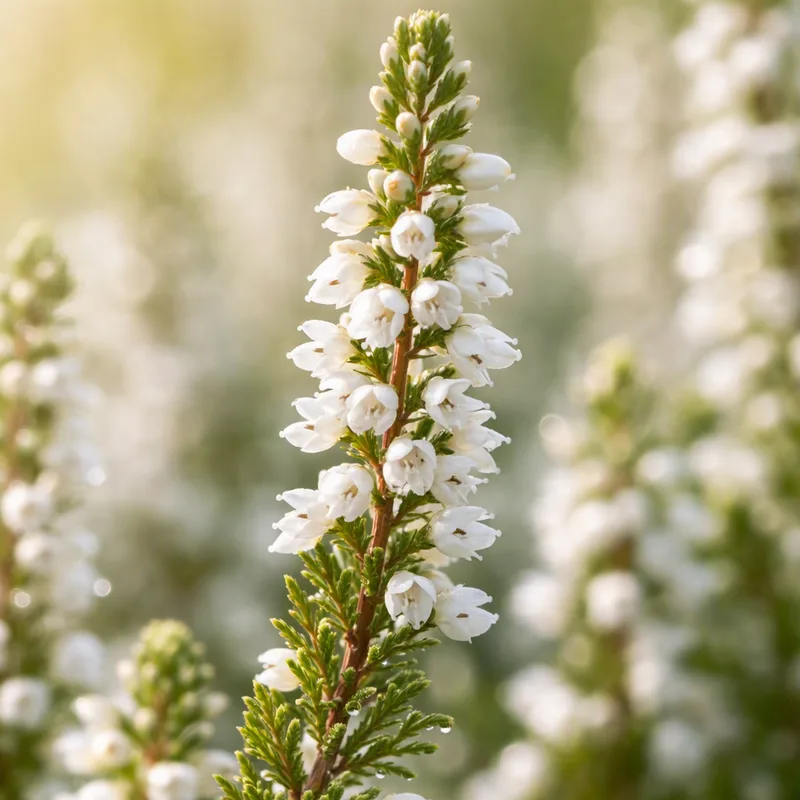
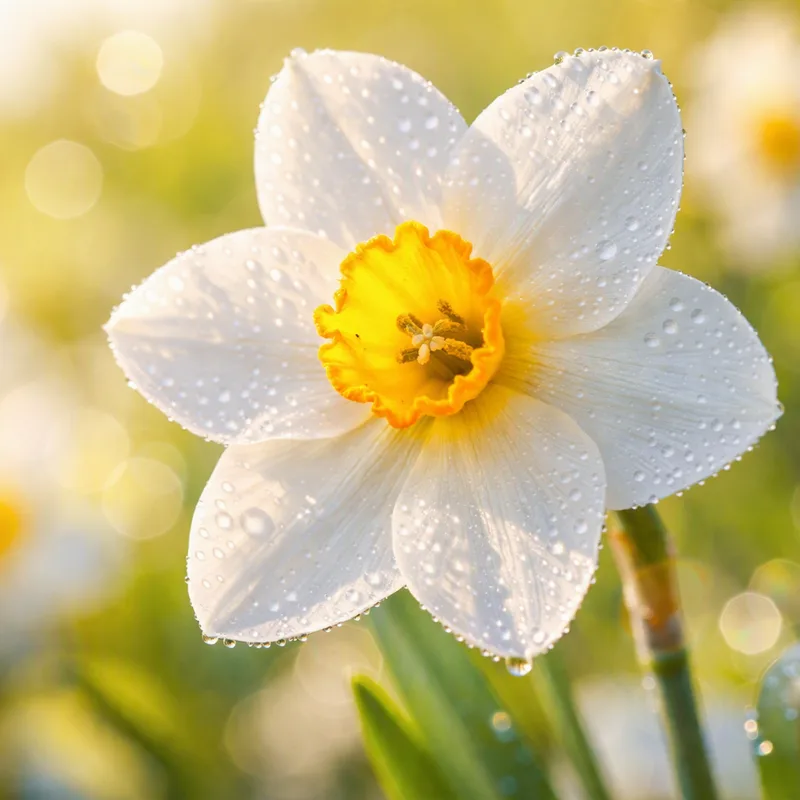
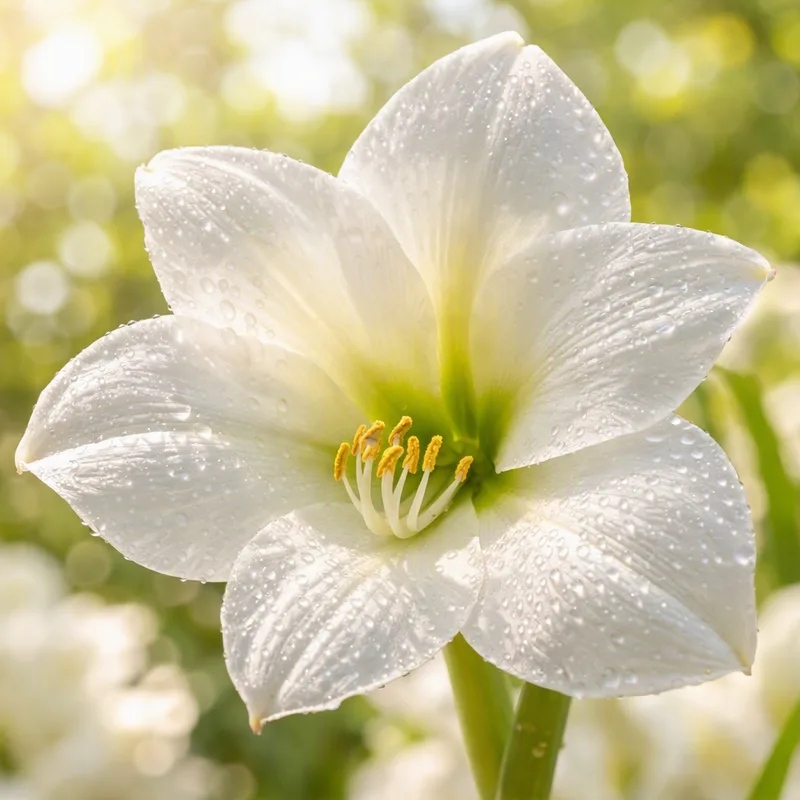
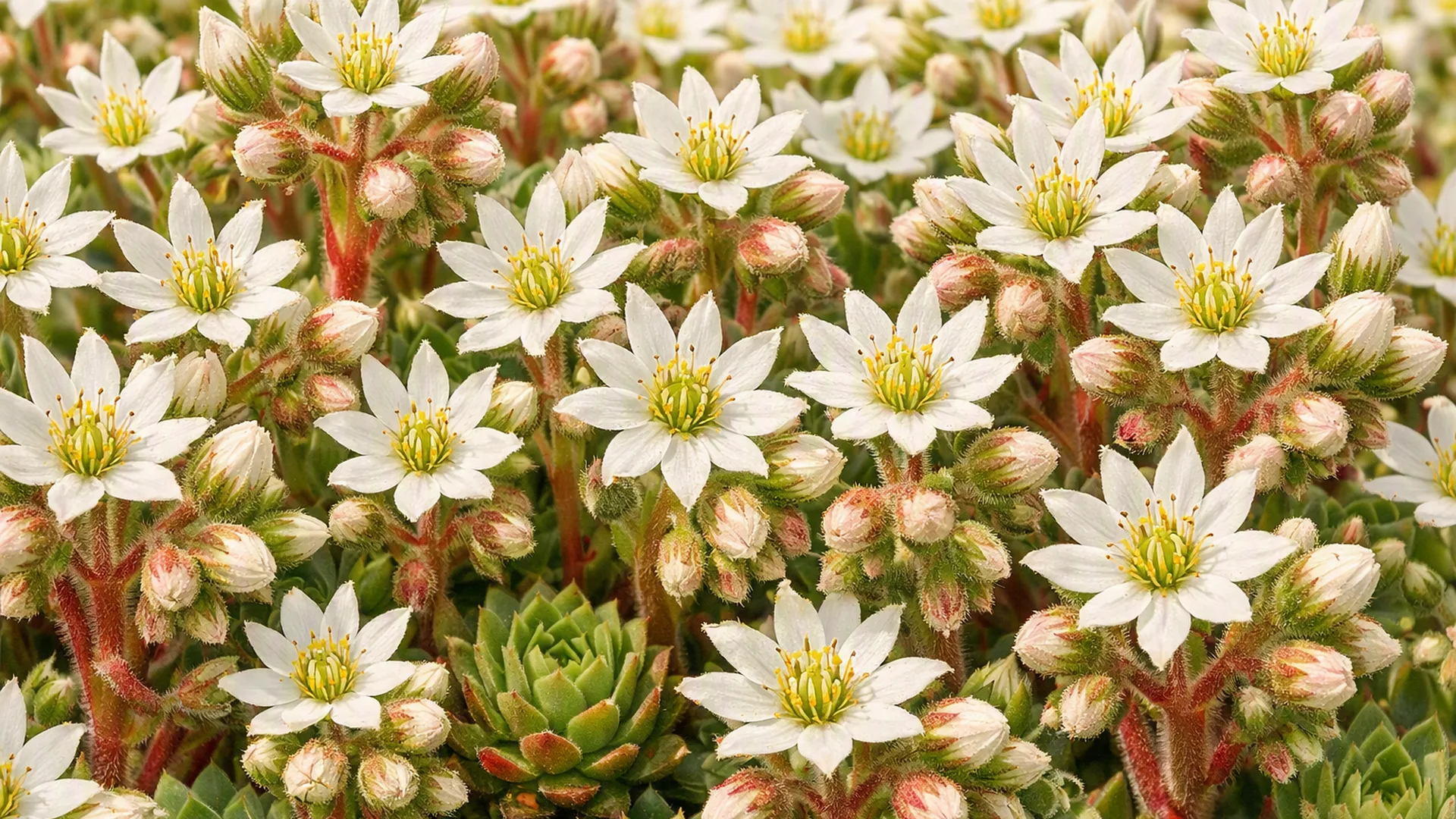
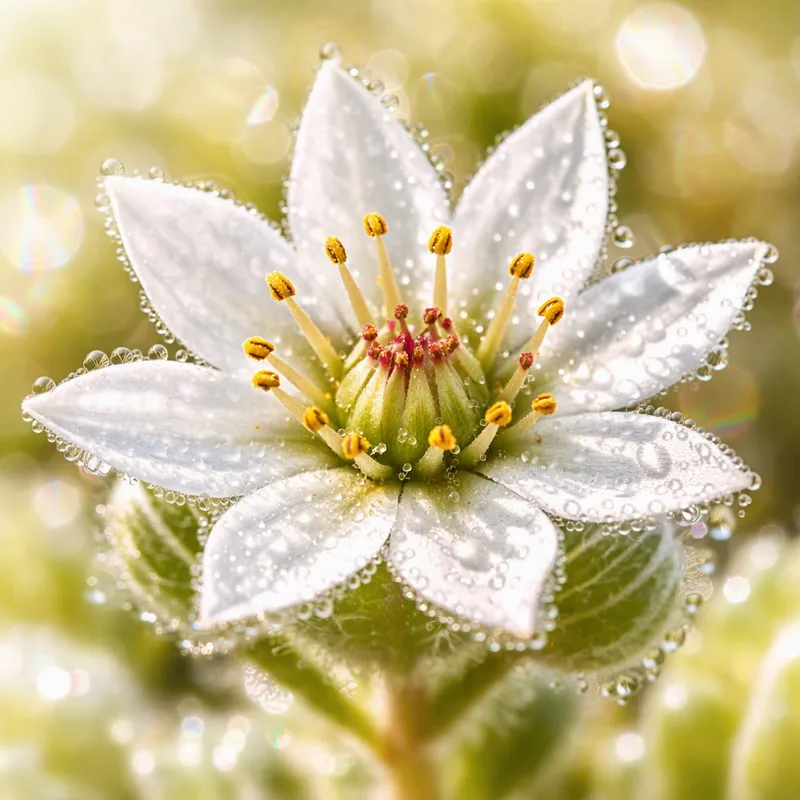
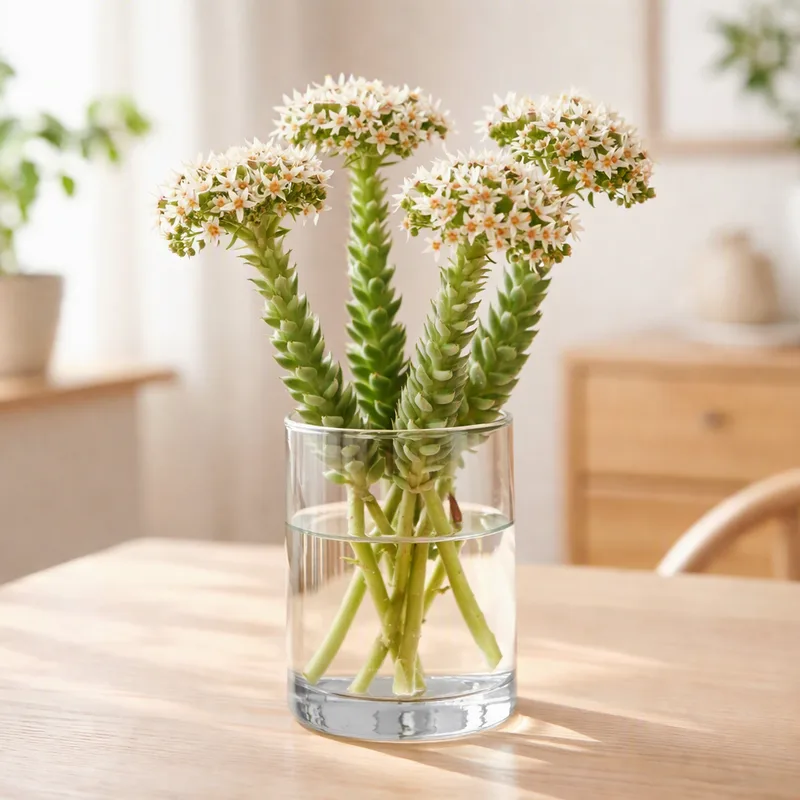
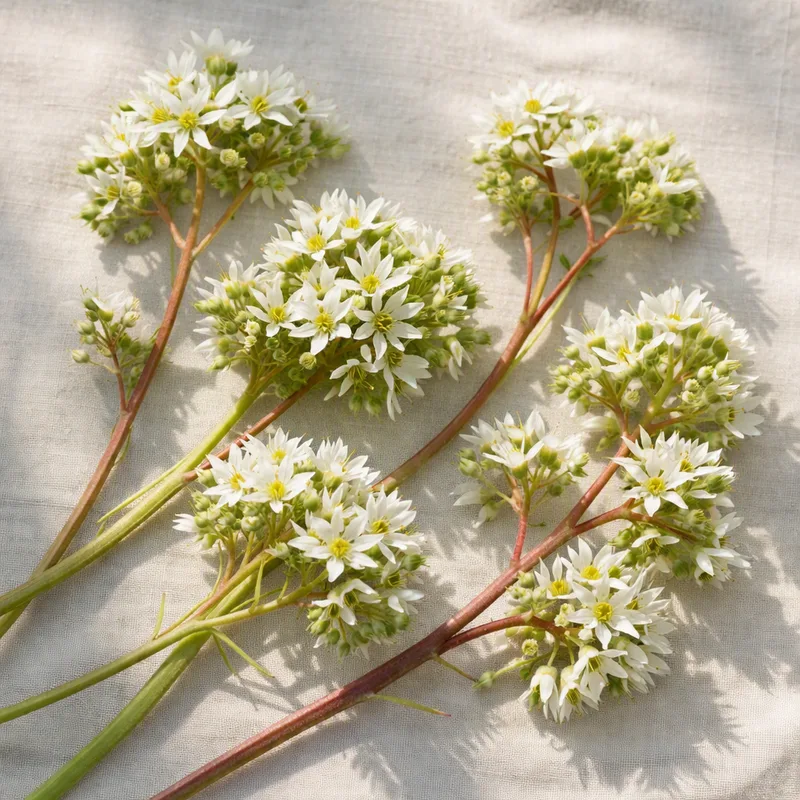
Houseleek flowers are generally reddish, yellowish or pinkish, and only seldom whitish. The white in a white houseleek therefore tends to come from the rosette instead, as in the cobweb houseleek, whose leaf tips are joined by fine white threads that look like spider silk. If you want truly white blooms, you will need to search specialist collections.
What a white-leaved rosette gives you
Pale or silvery rosettes light up a trough and mix with darker green and purple types for a patchwork. Because breeding has focused on rosette form and colour, names vary widely and many cultivars look alike. Labels help more than photographs when you are choosing.
Care in a wet-winter country
- Grow in grit-rich compost and keep the top dressing dry.
- Place pots under a porch or against a south-facing wall if autumn rain is relentless.
- Sunshine keeps colour crisp, while shade stretches rosettes.
- Move small offsets into new pots in spring.
The plant is frost-hardy, but sitting in saturated compost is the real danger.
Why people give houseleeks
A tiny trough planted with several rosettes makes a long-lasting gift. A houseleek dies after flowering but has already made its offsets, which is a pleasant story to tell the recipient.
Animals
Houseleek is not known as a dangerous plant, but eating a lot of any succulent can upset the stomach. Keep pots out of reach and ask your vet if you are worried.