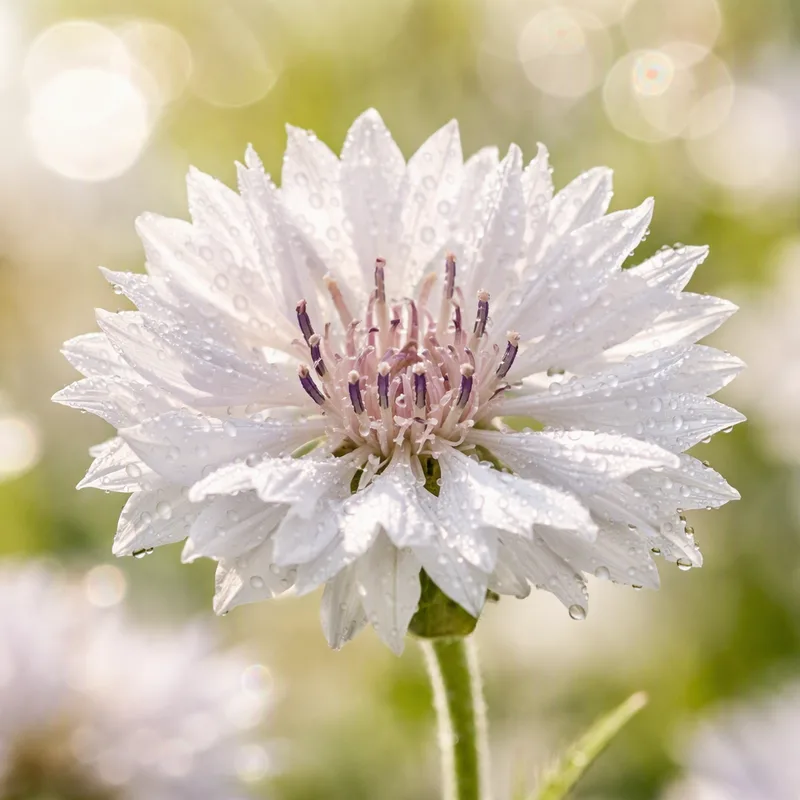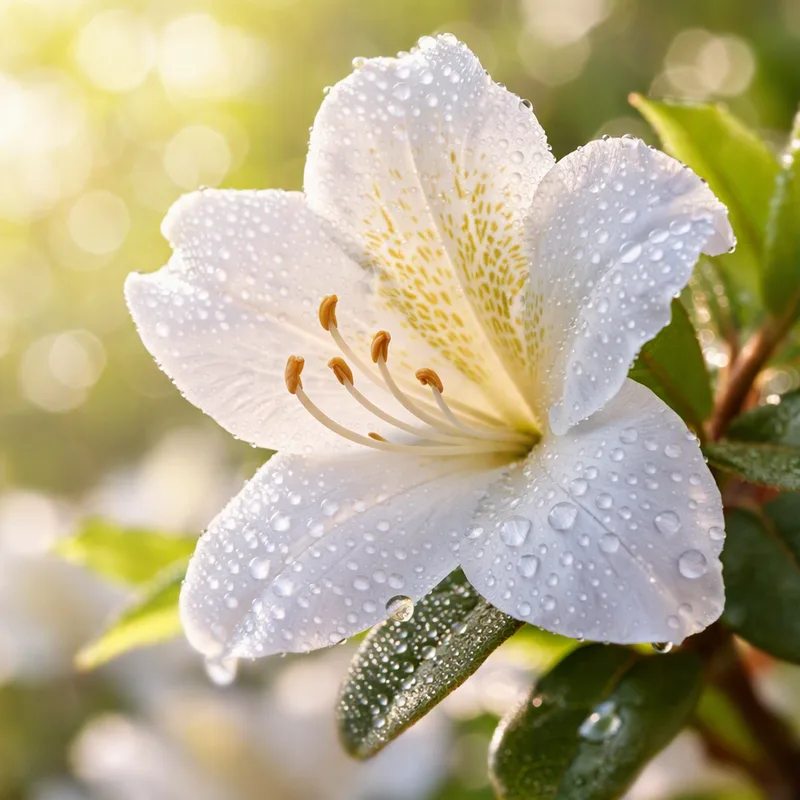
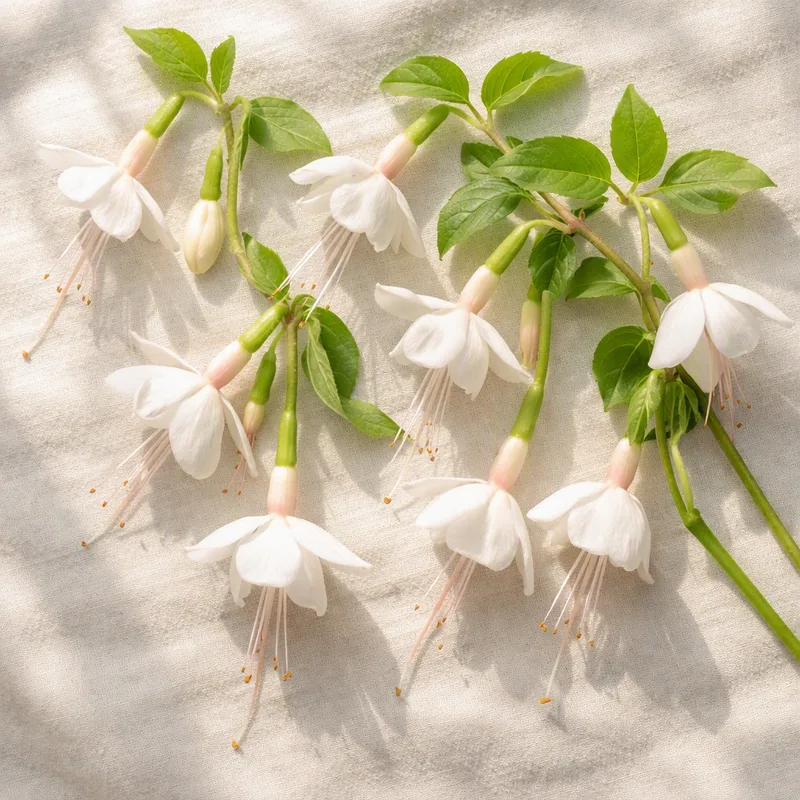
A pale form of a vivid plant
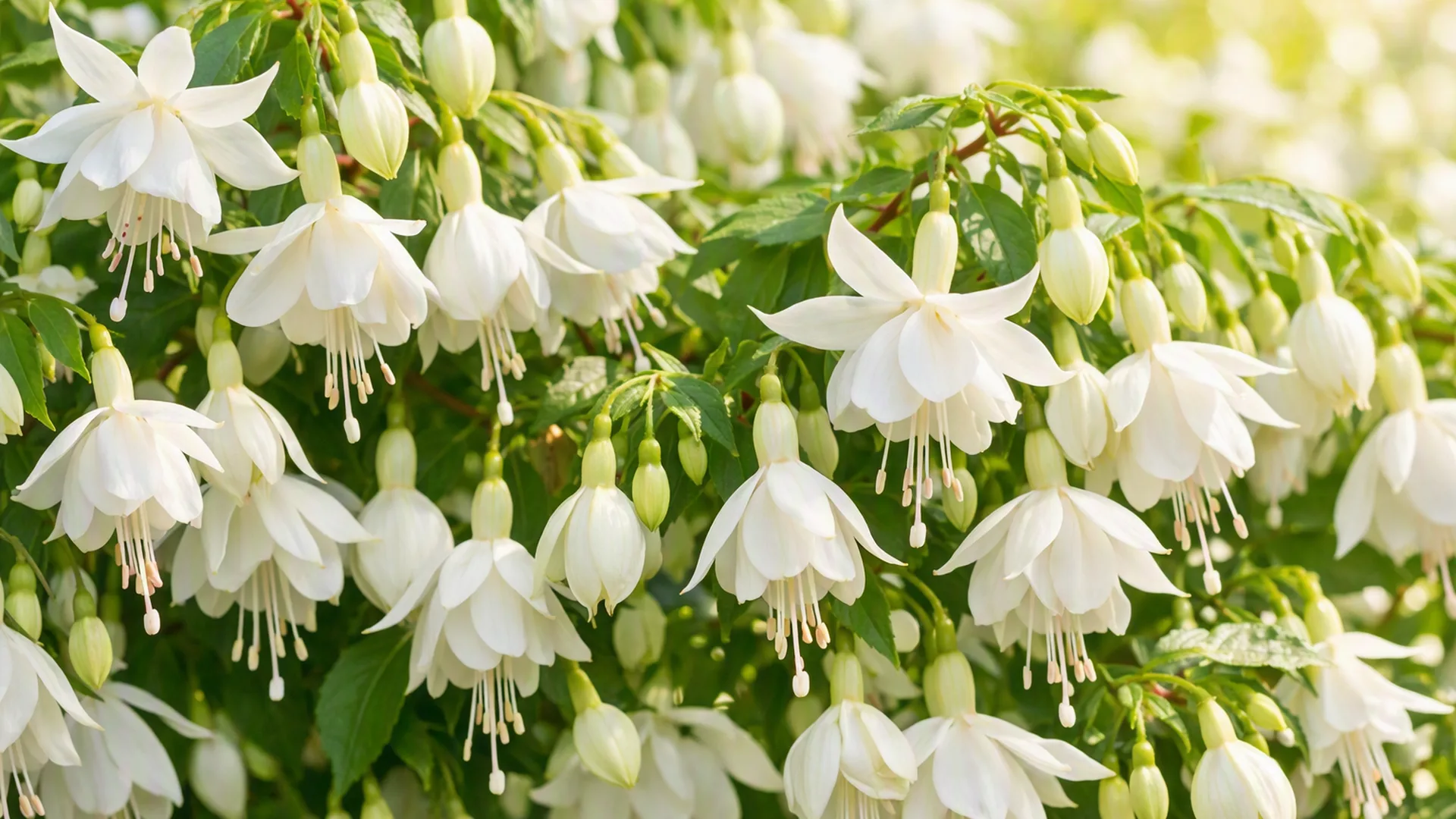
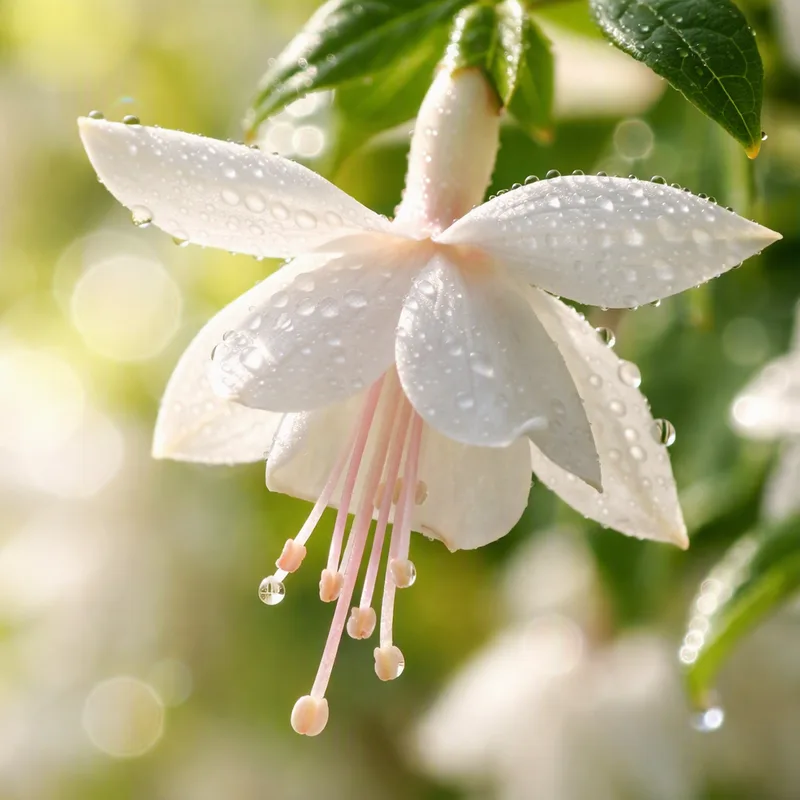
Fuchsia flowers are best known for combining red sepals with purple petals, a pairing that evolved to attract hummingbirds. The colour range in the genus does include white, though it is less common than red or purple, and Fuchsia magellanica produces a few white forms. White types often have delicate pink flushes on the sepals rather than being pure white.
Where white fuchsia shines
The pale blooms catch the light in a shady corner, which suits Irish gardens where many borders get little direct sun. They look especially fine against dark evergreen foliage such as holly or yew, and in a pot beside a north-facing door.
Growing guide
- Plant in partial shade; morning sun is ideal, whereas hot afternoon sun can scorch delicate petals.
- Keep the compost evenly damp but never waterlogged.
- Feed weekly in summer to keep flowers coming.
- In a hanging basket, check moisture daily because the compost dries quickly on windy days.
Hardy or tender?
Check the plant label. A hardy cultivar can overwinter outside if the roots are mulched, even if the top growth is cut by frost, and will resprout in spring. Tender hybrids must be moved under cover. In inland areas with frost pockets, even hardy types benefit from a deep mulch of bark or compost.
Safe for cats?
Fuchsia is on the ASPCA's non-toxic list for cats, so a basket is no worry for a cat owner. The berries are small and dark, and in some species they are edible, but they are rarely worth eating.
Take softwood cuttings from the tips of non-flowering shoots in summer; they root easily in a sheltered spot and give you spare plants for next year.