
A North American plant with a German name
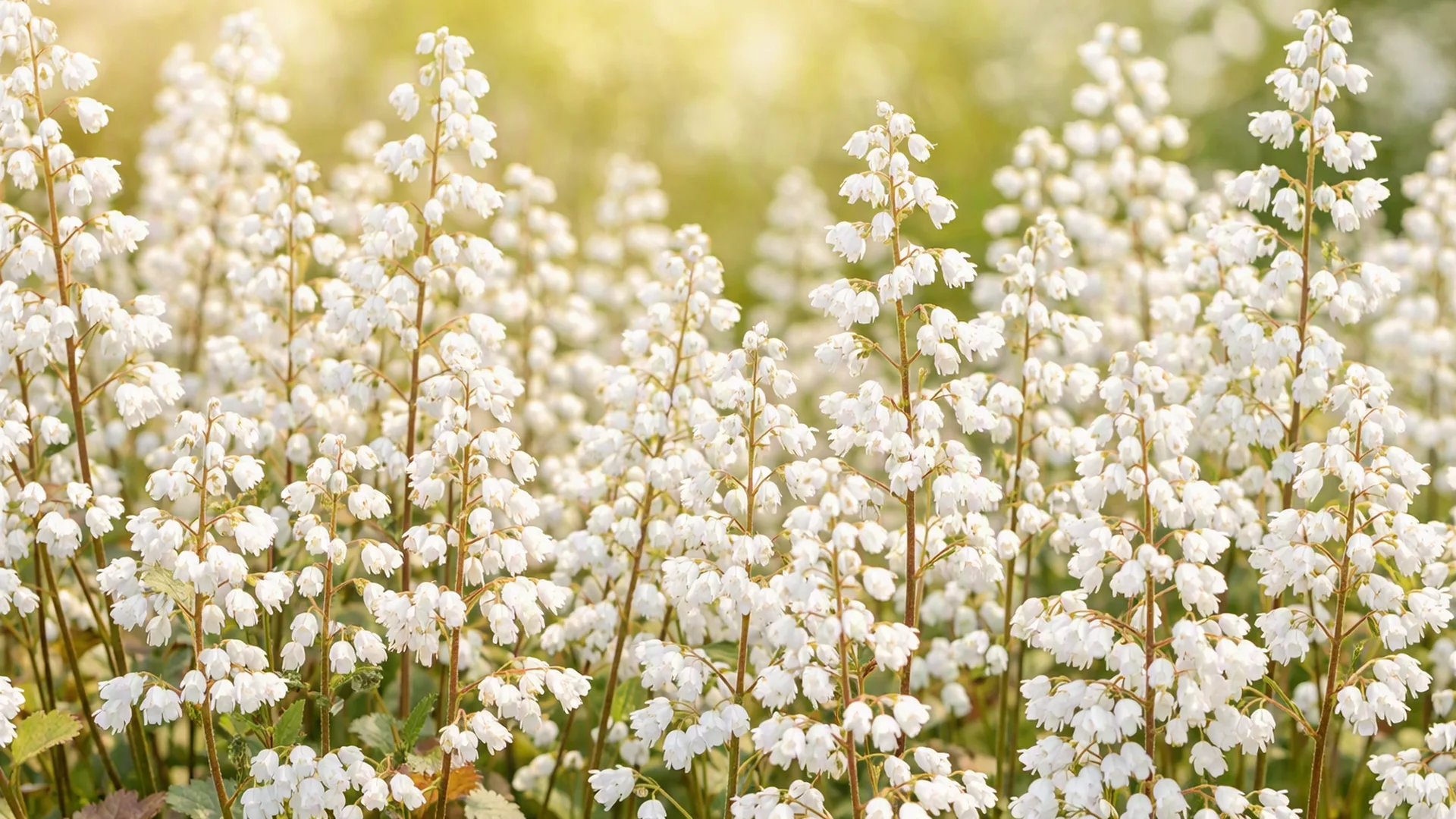
Heuchera is a genus of mostly evergreen perennials in the saxifrage family. Nearly all of the roughly 37 species come from North America. The name honours Johann Heinrich von Heucher, an eighteenth-century German physician and professor at Wittenberg. Heuchera sanguinea, the plant that gave us the common name coral bells, bears small cerise bells on slender stems.
Hybridisation is common, so garden varieties blend several species. They are grown mostly for their leaves, which range from lime and caramel to silver-veined, burgundy and almost black.
Why they do so well here
Mild winters let the foliage stay colourful all year. Heucheras like moist, free-draining ground and partial shade, which suits many Irish gardens, though dark-leaved types usually cope with more sun than pale ones.
- Plant with the crown level with the surface or a touch above it; a buried crown can rot.
- Lift and replant every few years if the woody stem rises out of the soil, burying it up to the lowest leaves.
- In pots, use a gritty compost and water regularly through summer.
The pest that matters
Vine weevil is the main enemy of Heuchera in containers. The pale grubs eat the roots in autumn and winter, and a plant that suddenly wilts and lifts from the pot is the giveaway. Check the pot in early spring and pick off any grubs you find.
Cut and potted
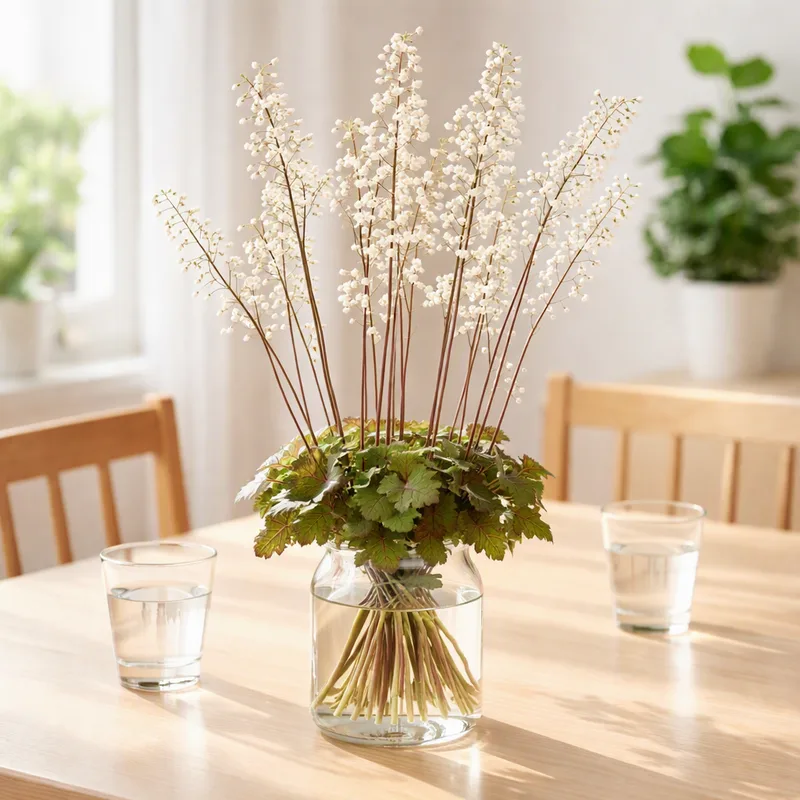
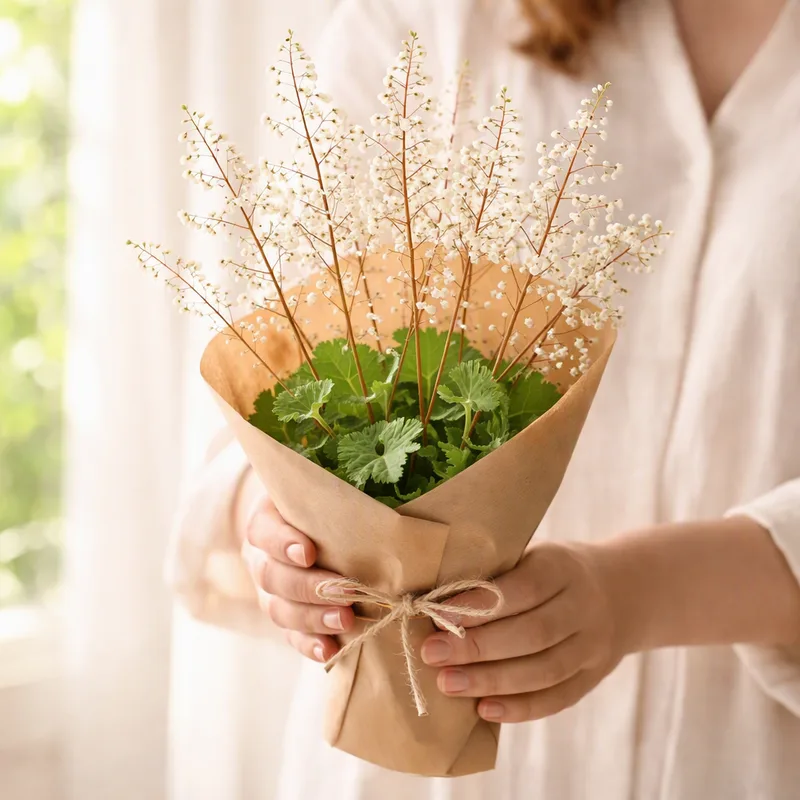
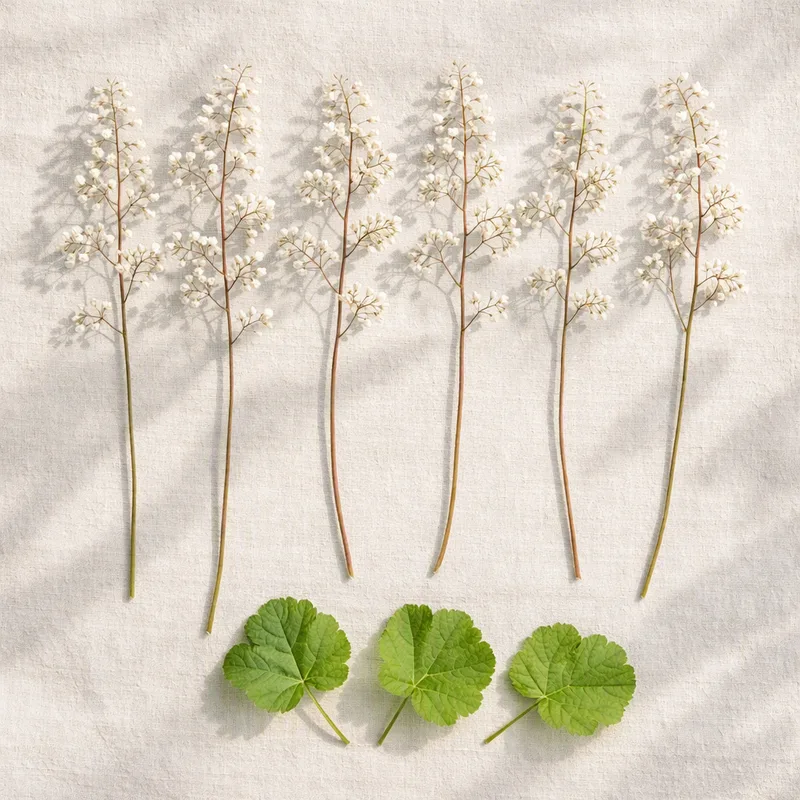
The thin flower spikes can be cut to give a light, frothy effect in posies, and the leaves themselves are used as foliage.
Pet-friendly foliage
Good news for animal households: the ASPCA records Heuchera sanguinea as safe for dogs, cats and horses. The plant still makes a poor chew toy, so rinse any soil off roots that a dog digs up.