
Natural and bred pinks
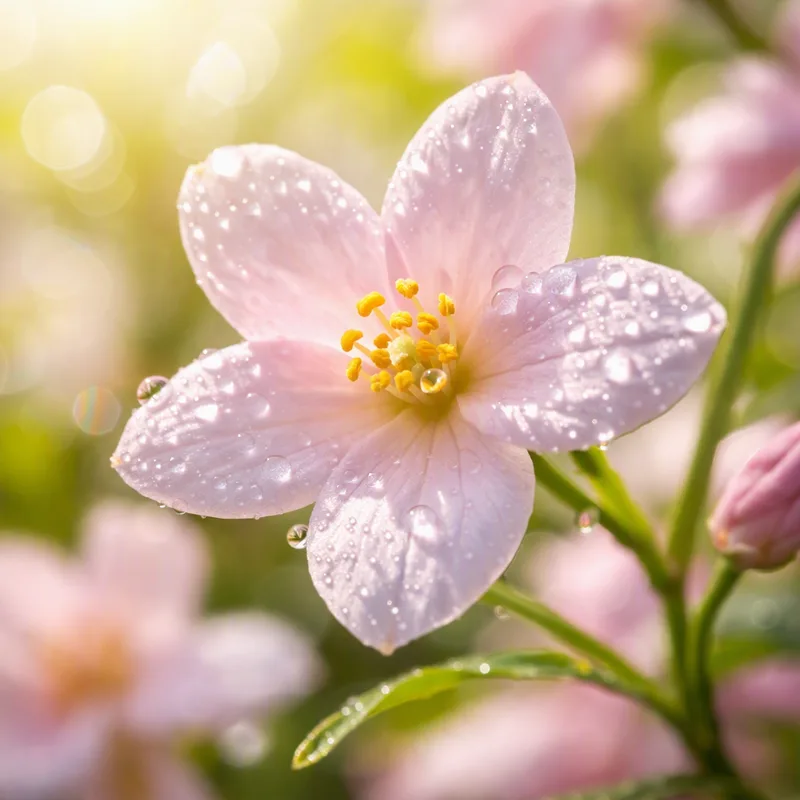
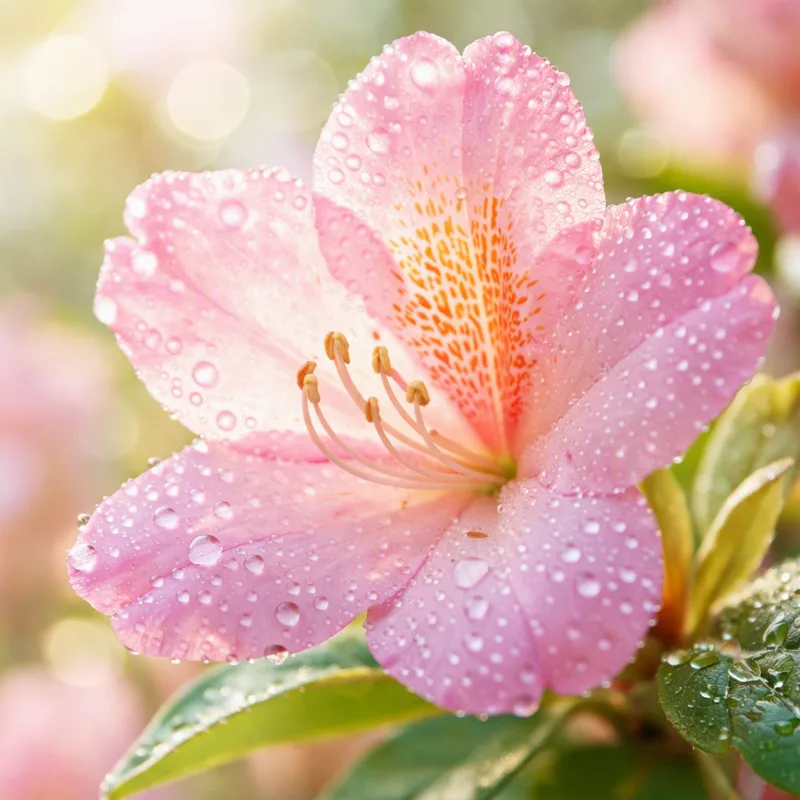
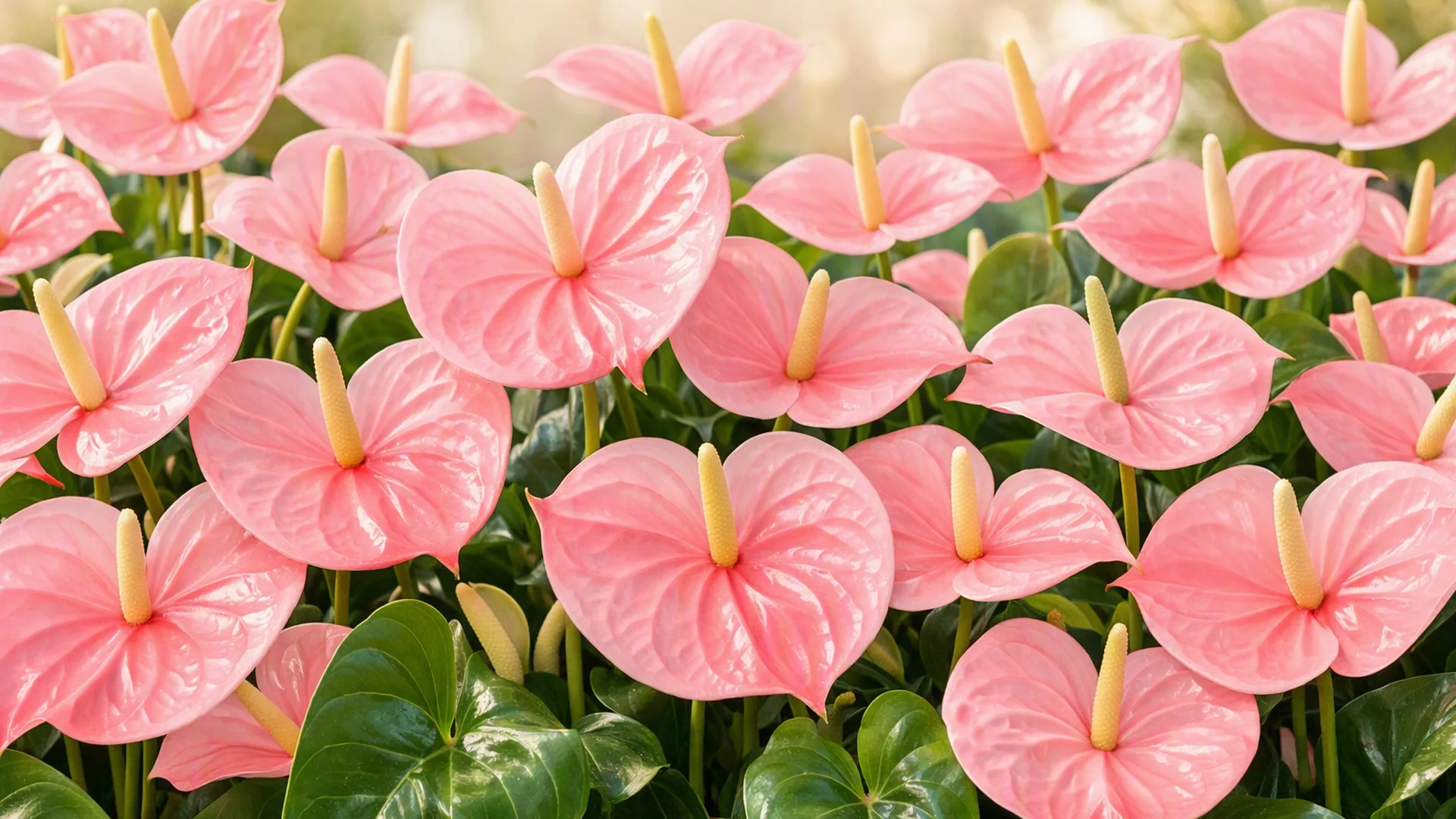
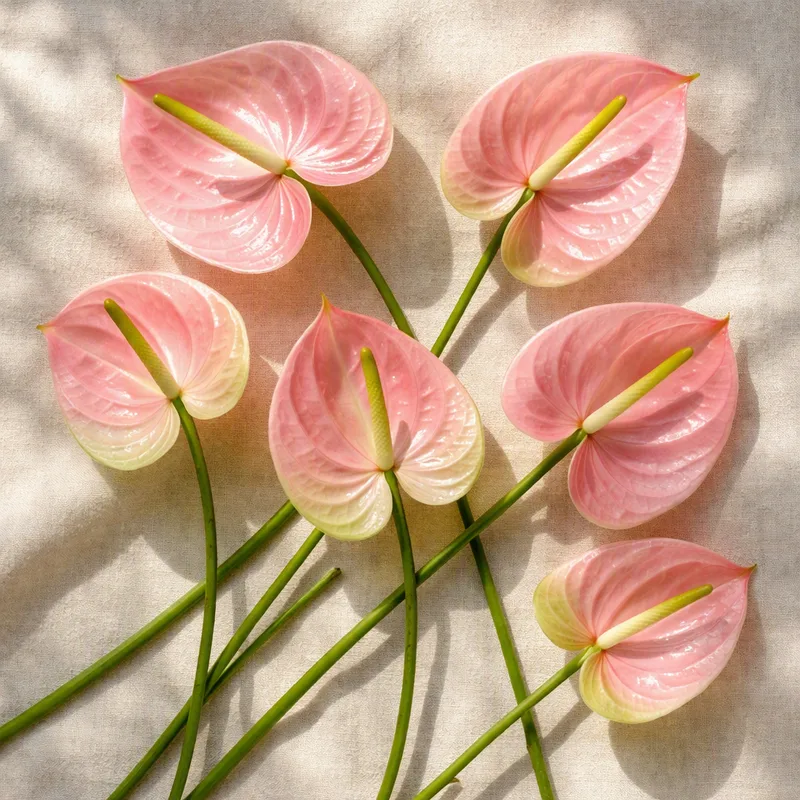
Pink is part of the wild range of Anthurium andraeanum, which has red or pink spathes, so a pink pot sits close to the plant's natural look. Breeders have extended it from pale blush to vivid fuchsia and two-tone forms with a green edge. A pink spathe is smooth, heart-shaped and slightly puckered, and the spadix is typically cream or yellow. In the language of flowers anthurium traditionally stands for a warm welcome, and pink adds a gentle, friendly feel.
Light, water and warmth
Bright, indirect light keeps the colour clear. Too much sun bleaches pink or scorches it, while a gloomy corner slows flowering. A steady 18 to 27 degrees suits it, so avoid an unheated porch or a landing window in winter.
- Water thoroughly and then wait until the top layer of compost has dried.
- Mist is less useful than humid surroundings; a bright bathroom or kitchen helps.
- Avoid cold water straight from the tap in winter.
- Trim spent stems at the base.
Using pink in the house
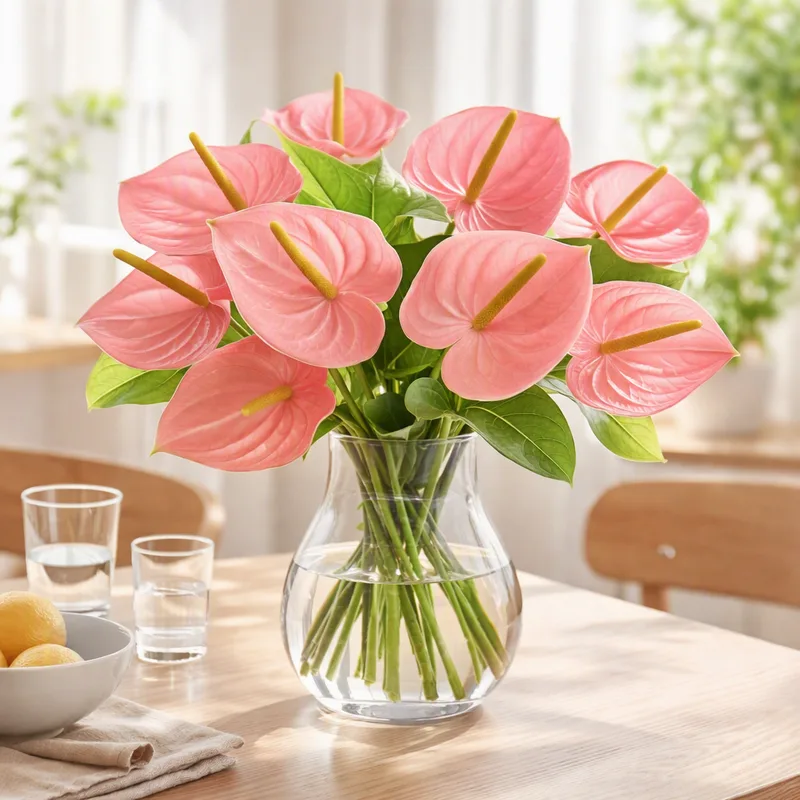
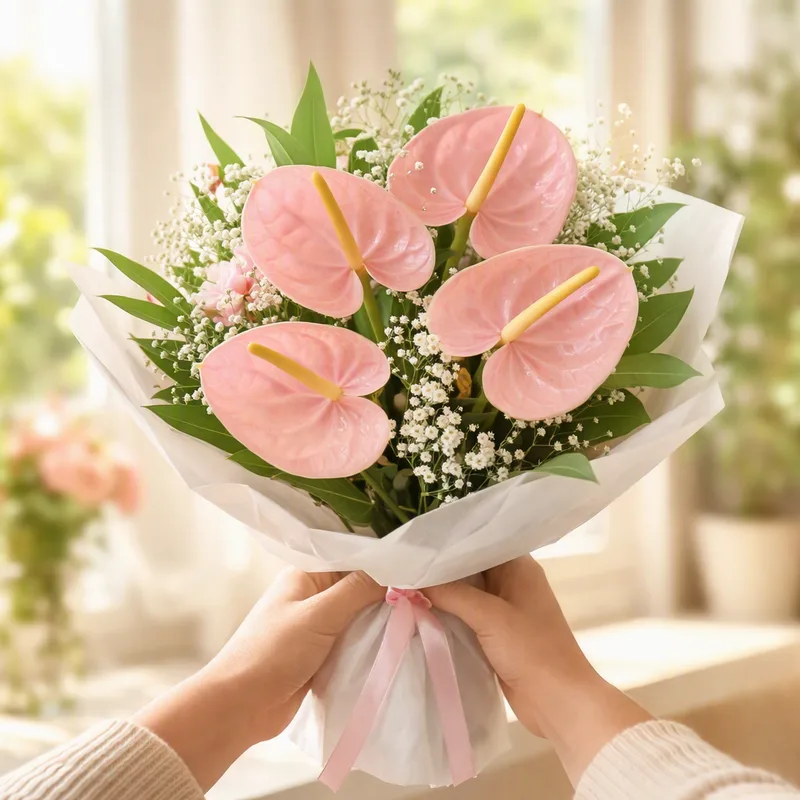
A pink anthurium looks good in a plain white or terracotta pot, and its colour echoes pink orchids and cyclamen. As a gift for Mothering Sunday it is a long-lasting alternative to cut stems, though it should not go within reach of pets.
Safety first
All parts contain insoluble calcium oxalate. The ASPCA records flamingo flower as toxic to dogs, cats and horses, with oral irritation, drooling and vomiting. The sap irritates skin, so wear gloves. For human poisoning, call the National Poisons Information Centre; for animals, a vet.